Owner vs renter (GTA reality). Ontario condo unit owners can often use the CAO-aligned EVCS application process. Apartment tenants usually need landlord / property-manager permission — there is no universal Toronto “right to charge” for renters. Be honest about which path you’re on before you buy hardware. NoGarageEV writes from Ontario with a Canada-first lens.
What “apartment EV charging” means in the GTA
Most Toronto / Mississauga / Markham / Scarborough / Etobicoke / Vaughan / Hamilton-edge drivers without a detached garage fall into one of these buckets:
- Condo corporation (MURB) — parking unit or assigned stall; board + property management; often common-element electrical work
- Rental apartment — landlord or large PM company; lease rules; weaker process rights than condo owners
- Hybrid — you rent a condo unit from an owner who still has to engage the corporation
Home charging is feasible in many buildings, but it depends on approval, electrical capacity, who owns the stall, and how electricity is metered / billed. Costs for bringing power to a stall vary widely by run length and panel capacity — treat any blog dollar figures as unverified anecdotes until you have a Licensed Electrical Contractor quote.
Practical playbook (Toronto-weighted)
-
Map your week of driving
Note weekday commute km and weekend trips. Downtown / Liberty-style short trips may survive on careful Level 1; outer 416 / 905 commuting plus winter loss often pushes you toward Level 2 or a strong public/workplace mix. Rough winter range loss of ~25–35% is commonly cited for cold Canadian cities — confirm against your vehicle’s winter data.
-
Photo the parking reality
Stall number, distance to any outlet, panel / meter location if visible, existing EV stalls in the garage, and any “no charging” signage. Don’t assume a random hallway or visitor stall plug is fair game.
-
Pick the permission path
Condo owner → follow Ontario Condo EV Charger Request (CAO-aligned). Renter → written landlord ask for a dedicated continuous-load-rated NEMA 14-50R + plug-in weatherproof listed EVSE (you pay agreed costs).
-
Ask for the smallest durable upgrade
Often a dedicated NEMA 14-50R beats jumping straight to a hardwired wallbox — easier ownership, removable plug-in EVSE, clearer “I pay for my gear” story. Details: NEMA 14-50 & Outlet Guide.
-
Keep a public / workplace backup
While you wait on boards or landlords, budget time and money for workplace charging (if offered), network apps, and municipal / commercial Level 2 or DC fast. Toronto Parking Authority (Green P) publishes EV charging rates and expanding station lists — confirm live rates and availability on parking.greenp.com/ev-charging (directional public info; confirm). Parking fees are typically separate from charging fees.
Condo corps & MURBs — what boards care about
- Capacity: spare amperage, panel space, transformer limits — some buildings need load management or staged rollouts
- Liability & insurance: listed equipment, Licensed Electrical Contractor, ESA practice
- Fairness: who pays for common-element upgrades; title agreements for owner installs
- Precedent: one messy DIY install can poison the next ten good applications
Ontario owner applications commonly face a ~60-day board response window and a written agreement phase after acceptance — confirm on the CAO guide. Building-wide programs (shared or opt-in private stalls) sometimes reduce per-stall chaos; ask if your corp already has an EV vendor or waitlist.
Parking quirks (underground & surface)
- Underground stalls may need long conduit runs — quotes climb with distance
- Visitor / shared EV stalls help guests, not nightly home charging
- Assigned stall ≠ automatic right to alter common elements
- Never run cords across drive aisles, through doors, or from balconies — fire / trip / insurance risk
Winter in the GTA
Cold soaks batteries, cabin heat eats range, and public Level 2 queues get longer on the first deep freeze. Practical moves:
- Precondition while plugged in when you have a home/work outlet
- Don’t plan January cottage weekends solely on “maybe I’ll find a stall downtown”
- If you only have Level 1 at home, keep a DC fast or strong L2 backup for storm weeks
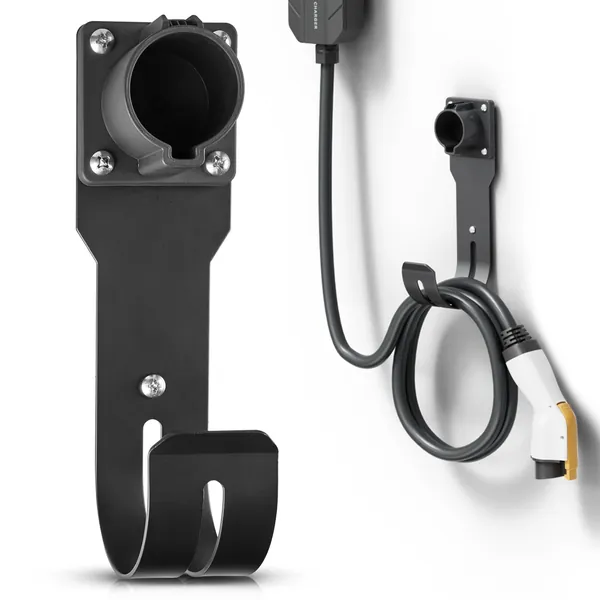
- Outdoor weatherproof EVSE must be rated for the conditions you actually use — read the manual; mount / hang cable off the ground where allowed
Hardware after permission
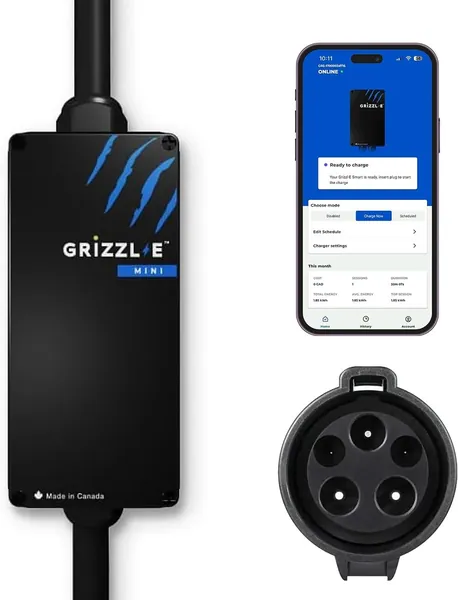
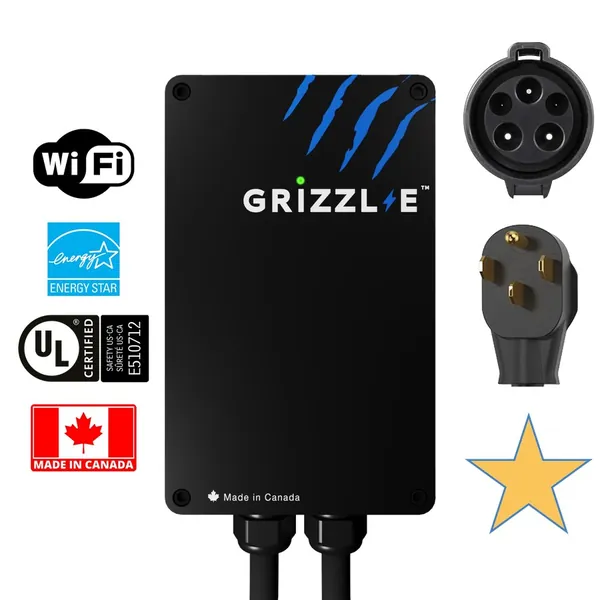
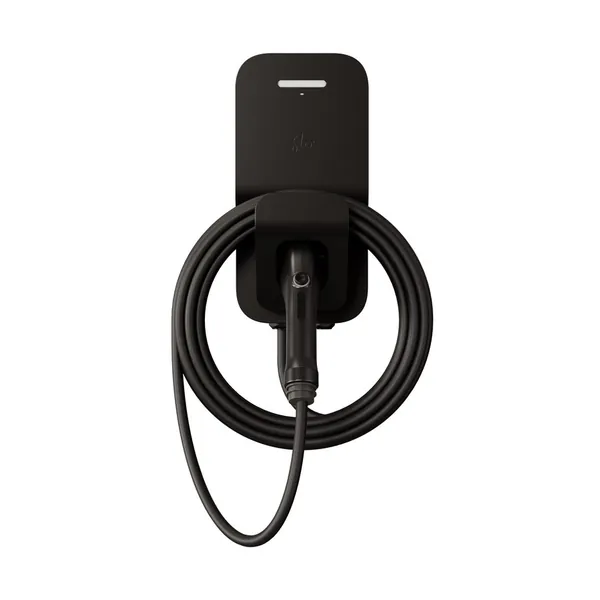
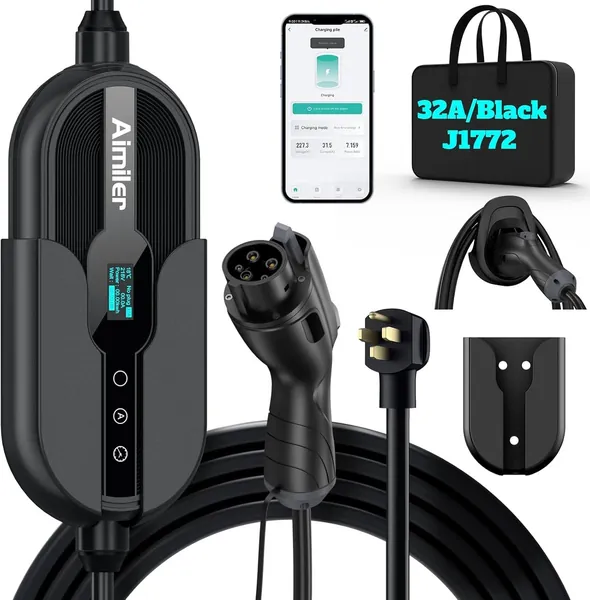
Once you have an approved path and a proper receptacle (or building charger program), shortlist outdoor-ready weatherproof Level 2 gear. Buy Canadian first: Grizzl-E Mini + Classic (Made in Canada), FLO Home X3 (Canadian brand only — hardwired), then AIMILER only as a labeled Imported alternative. Prefer Ships from Amazon. VEVOR stays caution-only on the compare page.