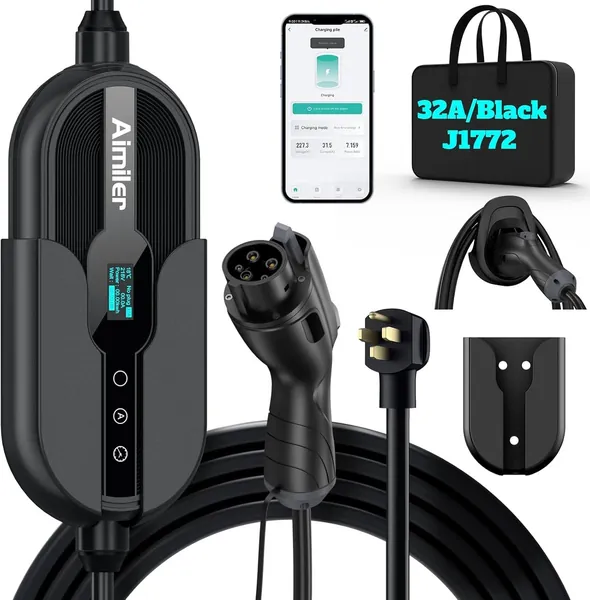
Outlet first, charger second.
Never use a household extension cord for EV charging, and never run a cord from a balcony, window, or patio door to the parking stall. If the receptacle is in the wrong place or the wrong type, the fix is a new receptacle installed by a licensed electrician. More:
extension-cord safety.
Tenants with EVs are asking for charging, and an approved outlet can be a reason to pick your unit over the next one. This page is for small landlords: a duplex or triplex owner, a basement-apartment landlord, or someone renting out a condo unit. It covers the realistic options, how electricity gets paid for, and what to put in writing. If you’re a tenant, the landlord request letter and who pays pages are written for you.
Four ways to say yes, from simplest to most involved
| Option | What gets installed | Typical speed | Who usually owns the charger | Good for |
|---|
| Dedicated 120 V receptacle | A new 15 or 20 A circuit to an outdoor-rated receptacle at the stall | Level 1: slow, enough for short commutes | Tenant uses the car’s own cord | Low-mileage tenants, tight panels |
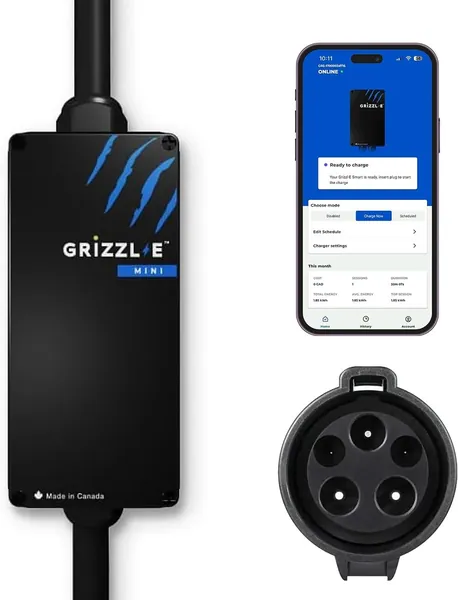
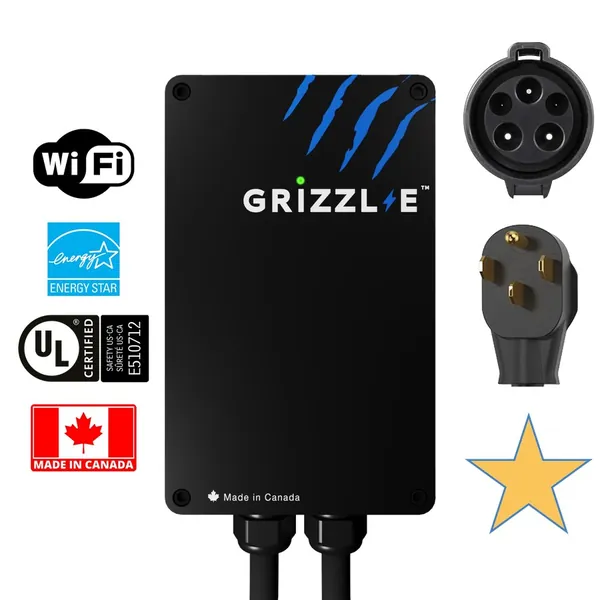
| 240 V receptacle (NEMA 14-50 or 6-50) | A new 240 V circuit and receptacle at the stall | Level 2, up to 40 A on 50 A | Tenant brings a plug-in charger and takes it at move-out | Most rentals; clean split of ownership |
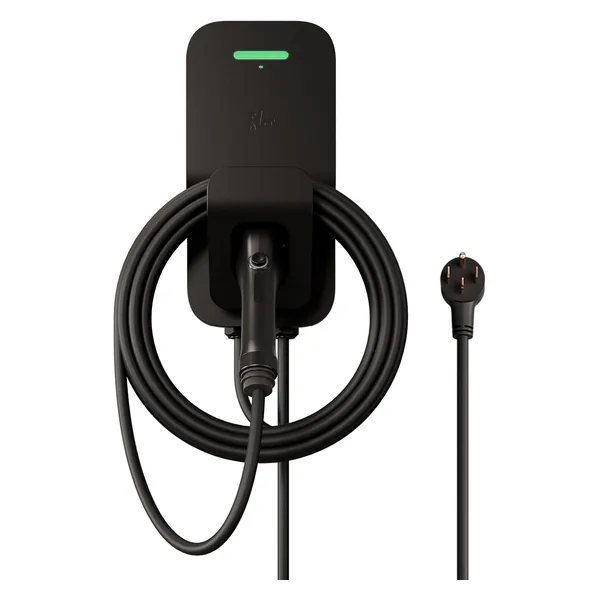
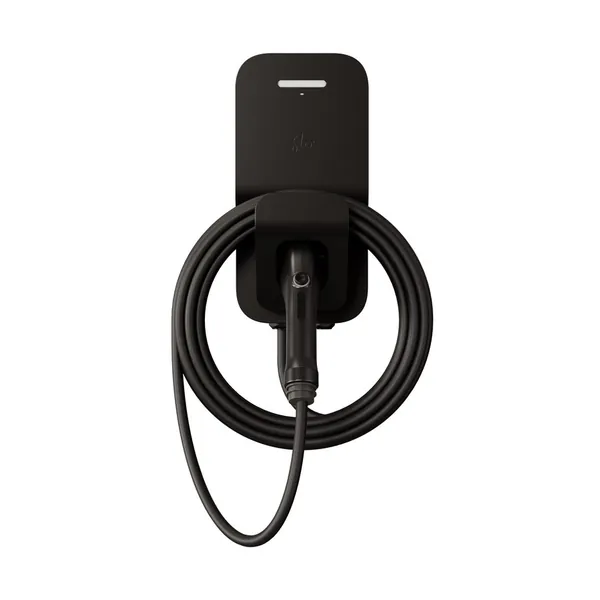
| Hardwired charger you own | A wall charger wired to its own circuit | Level 2, set by the installer | You, as a building fixture | Long-term rentals, units you’ll keep |
| Shared charger for several units | One or more chargers with access control or load management | Level 2, shared | You | Triplexes and small buildings: load management |
The 240 V receptacle route is often the easiest to agree on: you own the wiring, the tenant owns the charger, and nothing has to be removed at move-out. For receptacle choice, see 14-50 vs 6-50.
Whose meter pays for the electricity
| Meter setup | How charging gets paid | Watch out for |
|---|
| Circuit from the tenant’s own panel and meter | Tenant pays automatically on their hydro bill | The cleanest option; confirm their panel has room |
| Circuit from your house or common meter | A flat monthly charge agreed in writing, or included in rent | Rules on reselling or sub-metering electricity vary by province; check before billing per kWh |
| Charger with an app that tracks energy | Usage records support a fair flat fee | Treat app readings as a guide, not a utility meter |
What to put in writing before the electrician comes
- Which stall, which receptacle or charger, and which panel and meter feed it.
- Who pays for the install, and whether any cost is shared.
- How electricity is paid for, and the amount if it’s a flat fee.
- Who owns what at move-out: the receptacle normally stays; a plug-in charger leaves with the tenant.
- Only certified chargers (CSA, cUL or ETL-C), no extension cords, and who to call if something trips or overheats.
- Check your province’s tenancy rules before adding a new fee to an existing lease.
Outlet and amp caveats
- Older duplexes and conversions often have 100 A service or less per unit. Get a load calculation before promising Level 2: 100 A panel sizing.
- Size chargers to about 80% of the breaker (Canadian Electrical Code Rule 86-302): 40 A on 50 A, 32 A on 40 A.
- An existing exterior outlet that also feeds lights or other loads is not an EV circuit, and neither is a block-heater outlet.
- Use a licensed electrician and the permit your province requires (in Ontario, a licensed electrical contractor files the ESA permit).
- If you rent out a condo unit, the condo corporation’s approval process applies too: Ontario condo request · BC strata.
Caveats
- Tenancy, electricity resale and condo rules differ by province and change. Check official sources or a professional for your situation.
- We don’t quote install costs or incentive amounts here; get written quotes and check current program pages directly.
- Insurance: ask your insurer whether adding an EV circuit or charger changes your rental policy.
FAQ
Do I have to let my tenant install an EV charger?
It depends on your province and building. In a condo or strata, the approval process runs through the unit owner, so tenants generally need your written permission. Check your provincial tenancy rules and put any agreement in writing.
Should I install a charger or just an outlet for my tenant?
An outlet is often simpler. You install a 240 V receptacle on its own circuit, the tenant brings a plug-in charger, and they take it with them when they move.
How do I charge a tenant for EV electricity?
The simplest way is a circuit from the tenant’s own meter. If it runs off your meter, agree a flat monthly fee in writing, and check provincial rules before billing per kWh.
Who owns the EV outlet when the tenant moves out?
Normally the receptacle and wiring stay with the property, and a plug-in charger leaves with the tenant. Write this down before the install.
Can a tenant use an extension cord to charge until the outlet is installed?
No. Household extension cords are not safe for EV charging. A dedicated, approved receptacle is the safe route.