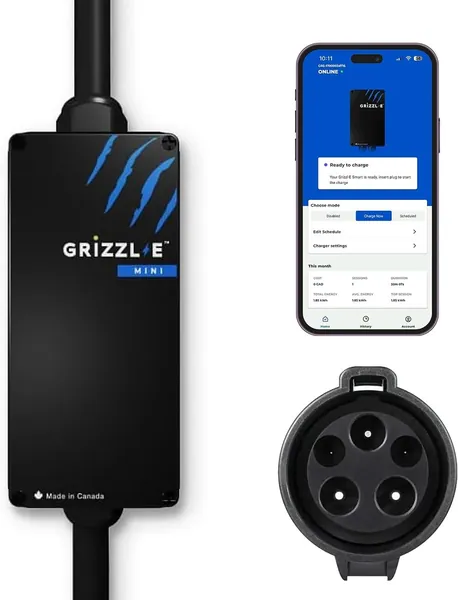
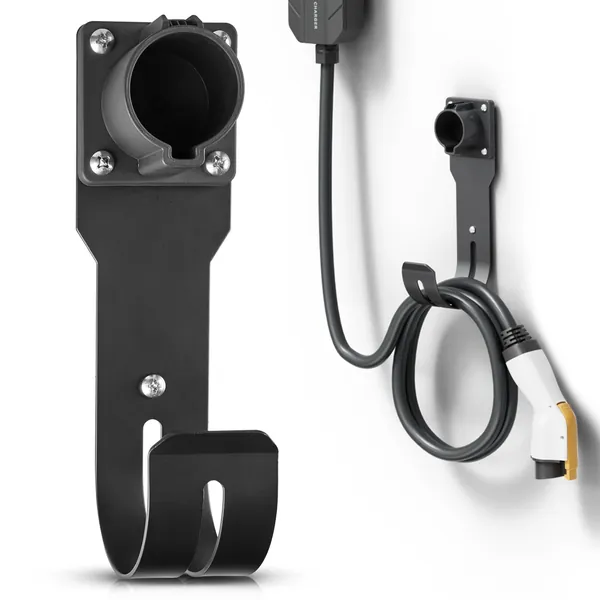
Owner vs renter (Alberta honesty).
Condo / apartment owners still need board or corporation buy-in for common-element electrical work. Tenants need landlord / property-manager written permission before any new circuit, receptacle, or hardwired EVSE. Alberta has no blanket provincial “right to charge” for renters that replaces a lease negotiation. Document in writing. Do not assume a neighbour’s install covers you.
What “apartment EV charging” means in Calgary & Edmonton
Most Alberta drivers without a detached garage land in one of these buckets:
- Condo corporation — parking unit or assigned stall; board + property management; common-element electrical work
- Rental apartment / MURB — landlord or large PM; lease rules; weaker process rights than owners
- Hybrid — you rent a condo unit from an owner who still has to engage the corporation
Home charging is feasible in many buildings, but it depends on approval, electrical capacity, who owns the stall, and how electricity is billed. Treat blog dollar quotes as unverified until a licensed electrician prices your run.
Calgary pointers — City & ENMAX (confirm live)
Use official pages for process themes — not as a promise that your stall gets a charger:
- City of Calgary — ChargeYYC (multi-residential pilot for condos / apartments / townhouses). Phase 1 road-map grants and Phase 2 infrastructure rebates have been published with property caps (themes up to ~$100,000 combined in Phase 2 materials). Intake windows open and close — as of late 2025 the City noted phases closed and future openings anticipated. Ask your board / owner; subscribe to City Electric Mobility updates.
- ChargeYYC materials tell applicants to contact ENMAX early for load / infrastructure assessment on multi-residential projects.
- ENMAX — EV charger installation — apartment / condo path: contact landlord or condominium board before buying or installing; Level 1 trickle on a permitted 120V outlet and public charging as backups if home install is blocked.
Ignore bad “extension cord” shortcuts.
Some utility overview pages casually mention a “standard extension cord” with 120V Level 1.
NoGarageEV does not recommend household extension cords for EV charging — heat, voltage drop, trip hazards, and insurance / building-rule risk. Use a listed EVSE cable plugged directly into a permitted receptacle in good condition, or negotiate a dedicated continuous-load-rated path. Details:
Extension-cord safety.
Edmonton pointers — City & EPCOR (confirm live)
- City of Edmonton — Electric vehicles — permitting overview and public / curbside charging themes (e.g. ATCO curbside pilot; Encor by EPCOR public stations with published hourly rates).
- City of Edmonton — EV charger permit process (PDF) — electrical permit required; building owner or electrical contractor applies; load calculation or EV energy-management plan typically required; don’t start work without an approved permit.
- EPCOR handles power-service applications / upgrades for many Edmonton sites when capacity changes — your electrician or building owner coordinates. Do not invent rebate dollars; confirm any City or utility incentive pages live before relying on them.
Block-heater outlet ≠ EV permission.
A winter block-heater receptacle (or a timed outdoor plug meant for engine heaters) is
not automatic approval to plug in a Level 2 EVSE all night. Continuous EV load, breaker sizing, and building rules are a different ask. Get written permission and a continuous-load-rated path — see
NEMA 14-50 guide.
Practical Alberta playbook
-
Map your week + winter buffer
Note commute km (downtown core vs suburbs / airport corridors) and add a cold-range hedge (~25–35% directional; model-dependent). Details: Winter portable L2.
-
Photo the parking reality
Stall number, distance to any outlet, existing EV stalls, signage. Don’t assume visitor or driveway plugs are fair game.
-
Pick the permission path
Condo owner → board / corporation process in writing. Renter → written landlord ask for a dedicated continuous-load-rated NEMA 14-50R + plug-in weatherproof listed EVSE (you pay agreed costs). Honesty page: Renter Playbook.
-
Ask for the smallest durable upgrade
Often a dedicated NEMA 14-50R beats jumping to a hardwired wallbox — clearer ownership, removable gear. Building-wide shared / power-sharing programs can still be smarter at scale — ask if your corp already has a vendor or ChargeYYC / City path.
-
Keep public / workplace backup
While boards or landlords move, budget apps, workplace charging, and municipal / commercial L2 or DCFC. Compare cost/time honestly: Public vs portable.
Portable vs shared stalls
- Your stall + portable L2 on an approved receptacle — best overnight recovery and ownership clarity for many drivers
- Shared visitor / assigned EV stalls — great bridge; poor as your only nightly plan if etiquette timers and queues bite
- Building load management / EVEMS — City and utility materials often highlight energy management as a way to add chargers without a full service upgrade; still requires owner / board action, not DIY
Winter in Calgary & Edmonton
Deep cold and chinook swings are real. Precondition while plugged in when you can, don’t plan road trips solely on “maybe I’ll find a downtown stall,” and use outdoor-rated gear only as the manual allows. Never balcony / window cord drops — ice and wind make bad ideas worse. Keep cable off salted floors when building rules allow a simple hang.