Bottom line — non-negotiable on this site.
Never use a household extension cord for EV charging.
Never run a cord from a balcony, window, patio door, or hallway to the parking stall.
Those shortcuts create fire, trip, liability, and insurance risk — and they usually violate condo / strata / HOA / landlord rules even when nobody has complained yet.
Why household extension cords fail for EVs
- Continuous load. EV charging runs for hours. Many household cords and cheap receptacles were never designed for continuous high current.
- Heat and voltage drop. Undersized or coiled cords can overheat; long runs drop voltage and stress connectors.
- Loose / worn connections. Outdoor weather, vibration, and cheap adapters make hot spots more likely.
- No listed EV path. A listed EVSE cable plugged into a proper receptacle is a different product category than a hardware-store lamp cord.
- Insurance and liability. After a fire or injury claim, “I used an extension cord overnight” is a terrible story for tenants and boards alike.
Some overview articles casually mention a “standard extension cord” with Level 1. Treat that as incomplete public-relations copy — NoGarageEV does not recommend it. If you use Level 1, plug a listed EVSE / OEM cord directly into a permitted receptacle in good condition. Details: Level 1 vs Level 2.
Why balcony / window drops are worse
- Trip and fall hazards across walkways, stairs, and parking aisles
- Door / window seals damaged or left ajar in Canadian winter
- Ice, wind, and UV chewing on cords that were never outdoor-rated for that abuse
- Building rules — many condo / strata bylaws and leases explicitly ban cords dangling to parking
- Neighbour optics — even one photo in a group chat can kill goodwill for legitimate EV upgrades
HOA / condo / landlord reality.
Boards and landlords do not need a fire to say no. Unauthorized cords are an easy enforcement win: remove the cord, threaten fines, or refuse future EV requests. Document a clean written ask instead — see
Renter Playbook. Owners: use your provincial condo / strata process pages (Ontario / BC / Québec hubs on this site).
What to ask for instead
-
Written permission
Landlord, property manager, or condo / strata board — in writing. State you will not use balcony cords or household extension cords.
-
Dedicated continuous-load-rated NEMA 14-50R
Preferred plug-in Level 2 target in Canada when installed correctly. Not a random dryer plug, not a hallway outlet, not a visitor post. Full detail: NEMA 14-50 outlet guide.
-
Licensed electrician + permit
New circuits and receptacles follow provincial electrical / Safety Codes rules. Do not DIY. local permit path.
-
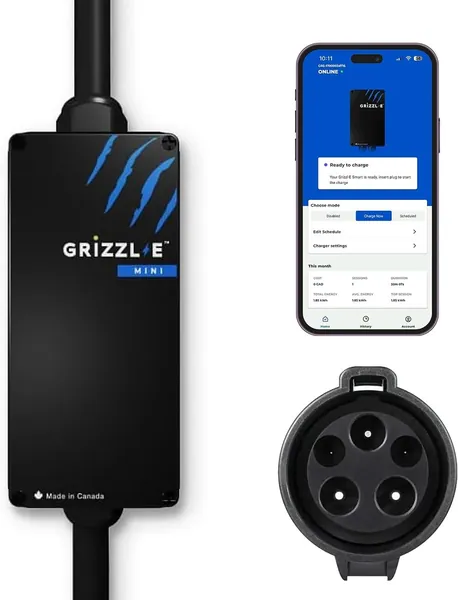
Your own listed portable Level 2 EVSE
Weatherproof, Canada-listed (CSA / cUL / ETL-C). Removable if you move — easier negotiation for many renters than a hardwired wallbox.
-
Public / workplace bridge
While you wait, use listed public L2 / DCFC and workplace charging — not a cord out the window. Cost/time honesty: Public vs portable.
Block-heater myth
A winter block-heater receptacle is not automatic EV approval. Continuous EV load, breaker sizing, and building rules are a different ask — even in Alberta and other cold provinces where block-heater plugs are common. Get written permission for EV use or for a proper upgrade.
If someone already told you “just use a cord”
- Stop the balcony / window drop immediately
- Do not buy a longer household extension cord as a “fix”
- Photograph the stall and write a clean request for a dedicated receptacle
- Keep Level 1 only on a permitted direct plug if that is your bridge