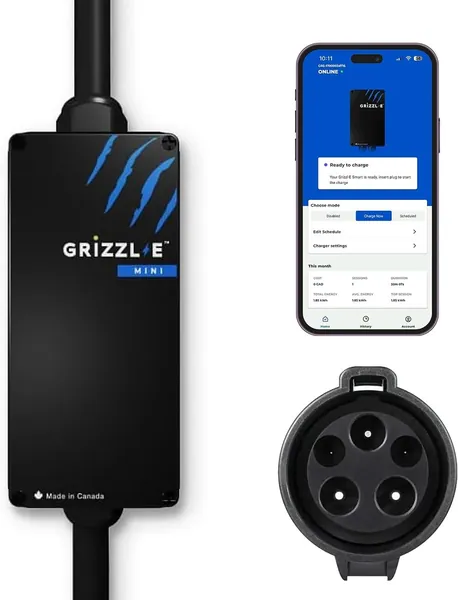
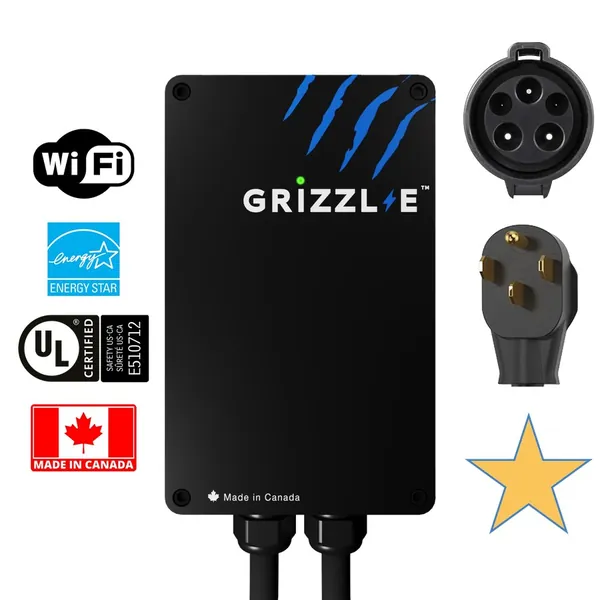
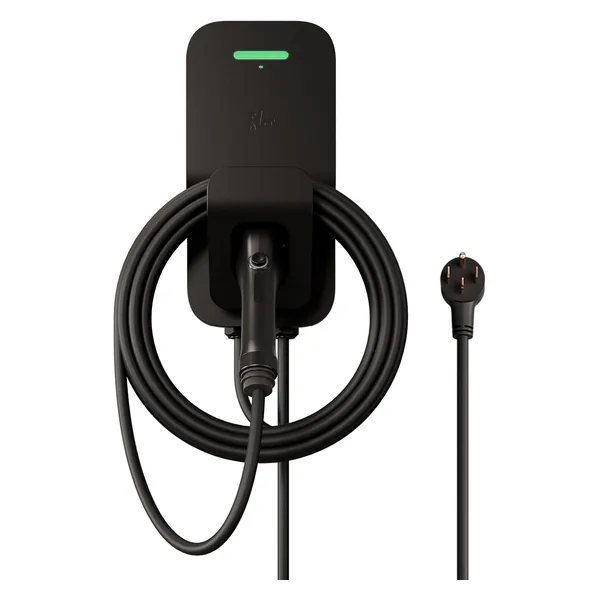
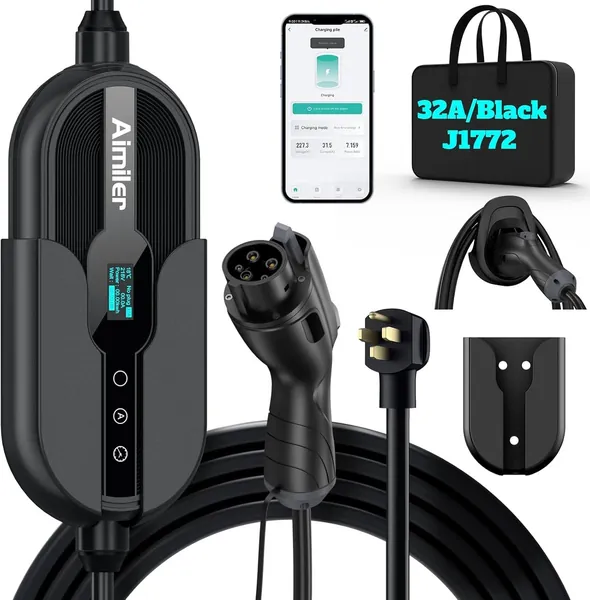
Outlet first, charger second.
Never use a household extension cord for EV charging, and never run a cord from a balcony, window, or patio door to the parking stall. If the receptacle is in the wrong place or the wrong type, the fix is a new receptacle installed by a licensed electrician. More:
extension-cord safety.
Insurers generally care about two things: whether the equipment is certified for use in Canada, and whether it was connected the way it was meant to be. A certified charger on a properly installed receptacle is an ordinary appliance. A cord through a window is not.
What to tell your insurer, by policy type
| You have | Questions to ask | Also tell |
|---|
| Tenant (renter’s) insurance | Is a portable EV charger covered as contents? Any limit for electrical equipment? | That the receptacle was installed with the landlord’s permission |
| Condo unit owner insurance | Does my policy cover equipment I own in my parking stall? What about damage to common property? | That the condo board approved the install |
| Homeowner insurance (house, duplex, basement rental) | Does a new 240 V circuit or receptacle change anything? Do you want the permit? | That a licensed electrician did the work, with a permit |
| Car insurance | Is the charging cable or charger covered if stolen from the car? | Where you charge (driveway, parkade, street) |
Ask for answers by email so you have them in writing.
Paperwork to keep
| Document | Why it helps |
|---|
| Receipt for the charger | Shows the value of the equipment |
| Photo of the Canadian safety mark (CSA, cUL or ETL-C) | Shows certified equipment |
| Electrical permit and electrician’s invoice | Shows the receptacle or circuit was installed properly |
| Landlord or board written approval | Shows you had permission to install and charge |
| Photos of the finished install | Shows the setup as it was used |
Setups to avoid
- Household extension cords, cord reels or adapter chains between the charger and the outlet.
- Cords run from a balcony, window or patio door to the parking stall.
- A charger without a Canadian safety mark.
- A charger set higher than the circuit it is plugged into.
- Using a block-heater outlet for EV charging without the owner’s and electrician’s OK.
More on why: extension-cord safety.
Outlet and amp caveats
- A NEMA 14-50 receptacle is on a 50 A circuit at most, so plug-in chargers stop at 40 A continuous (Canadian Electrical Code Rule 86-302, about 80% of the breaker). A 6-50 works the same way for chargers with that plug.
- A plug-in charger set to 32 A needs a 40 A circuit; 24 A needs 30 A. Set the charger to match the breaker, never higher.
- Hardwired chargers above 40 A need a larger circuit sized by your electrician after a load calculation.
- New circuits need a licensed electrician and the permit your province requires (in Ontario, an ESA permit).
Caveats
- We do not know what your policy covers. Only your insurer or broker can answer that.
- Insurers and policies differ by company and province.
- Telling your insurer is a good idea; whether you must, and what changes, depends on your policy wording.
FAQ
Do I need to tell my insurer about a portable EV charger?
It is a good idea. Whether you must depends on your policy wording. Ask your insurer or broker and get the answer by email.
Does tenant insurance cover a portable EV charger?
It may be covered as contents, sometimes with limits. Only your insurer can confirm. Keep the receipt and a photo of the safety mark.
What documents should I keep for insurance?
The charger receipt, a photo of the CSA, cUL or ETL-C mark, the electrical permit and invoice, written landlord or board approval, and photos of the install.
Can using an extension cord affect insurance?
It can raise questions after a claim, and it is unsafe for EV charging in any case. Plug the charger directly into a properly installed receptacle.
Is a hardwired charger better for insurance than a portable one?
Not necessarily. Either can be fine when certified and properly installed. Hardwired work needs an electrician and permit; a portable unit needs a correct receptacle.