How-to funnel, not a brand dump. This page maps the operating path. Shopping shortlist:
best outdoor condo chargers. Speed honesty L1 vs L2 lives on a sibling page — we link it, we do not rewrite it.
What “apartment L2, no garage” actually means
Most Canadian MURB drivers are not installing a garage wallbox. They need overnight Level 2 at an assigned outdoor stall (or a building shared stall) using a listed portable EVSE on a proper continuous-load receptacle — usually after written approval. The suite balcony is not the feeder.
- Distance from suite panel to stall is an electrician / board problem
- Public L2 and workplace charging are bridges, not failures
- Hardware comes after outlet + permission
The three gates
Skip any gate and you get unsafe shortcuts, denied installs, or dead hardware on a plug that was never approved for EV duty.
1. Outlet reality
Target a dedicated continuous-load-rated outdoor NEMA 14-50R (or the exact receptacle your licensed electrician and listing agree on) at or beside the stall — not a hallway convenience outlet, not a balcony receptacle “close enough,” and not an assumed block-heater plug. Depth: NEMA 14-50 outlet guide.
Outdoor receptacles, continuous-load sizing, weatherproof enclosures, and permits follow provincial Electrical Code / Safety Codes themes. Hire a licensed electrician. This is not electrical advice.
2. Board / landlord / strata / syndicat permission
Get it in writing before you buy or schedule work. Canada-wide map: condo board / strata / syndicat approval. Ontario owner depth: Ontario condo EVCS request. Renters: landlord letter structure + renter playbook.
3. Hydro / utility metering themes
Who pays for kWh depends on whether the receptacle is on your suite meter, a parking sub-meter, or common-element supply with a cost-recovery agreement. Utilities and boards handle this differently across provinces — treat forum “just plug in” advice as unreliable. Confirm with property management and your hydro bill structure. Do not invent $/kWh annual totals from a blog.
Gate checklist (what “good” looks like)
| Gate |
What “good” looks like |
Common fail |
| Outlet |
Dedicated continuous-load outdoor 14-50 near stall |
Hallway / balcony / block-heater plug assumed OK |
| Permission |
Written landlord or board/strata path |
Verbal “sure” / silent install |
| Hardware |
Canada-listed portable outdoor L2 matching plug |
Extension cord · unlisted import |
| Operations |
Cable off ice / aisles · etiquette |
Loops across walkways |
Why balcony and household cords are not a path
Non-negotiable. Never run a cord from a balcony, window, patio door, or hallway to the outdoor stall. Never use a household extension cord as an EV feeder. Fire, trip, ice, liability, insurance, and bylaw risk — and boards enforce this easily. Full safety page:
extension-cord EV charging safety. Problem framing:
outdoor parking stall.
Winter outdoor L2
- Expect cold-weather range and charging-time honesty — plan buffer, not panic
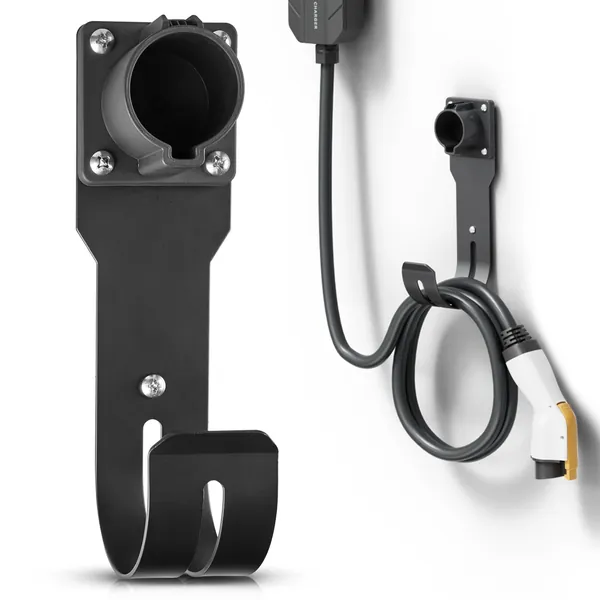
- Keep cable off ice and out of plow / tire paths when rules allow a hang or holster
- Do not leave loops across walkways or leave connectors sitting in meltwater
- Deep cold playbook: winter portable L2
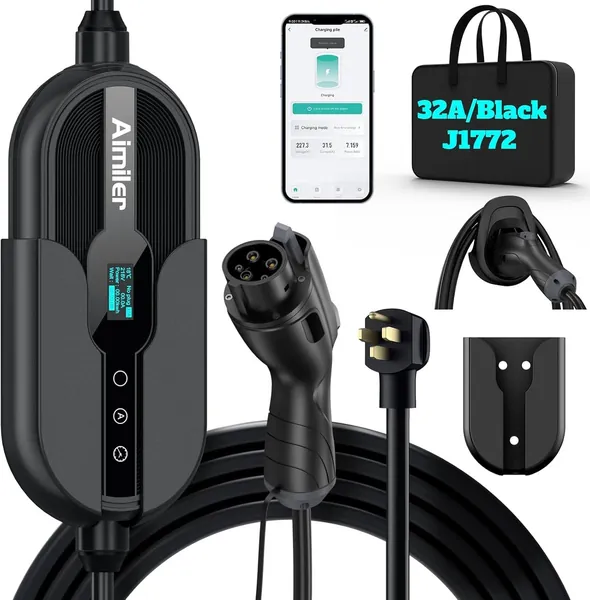
Portable weatherproof L2 as the default apartment stack
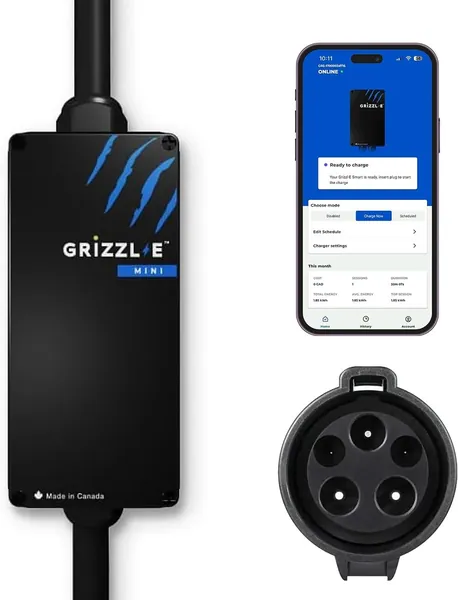
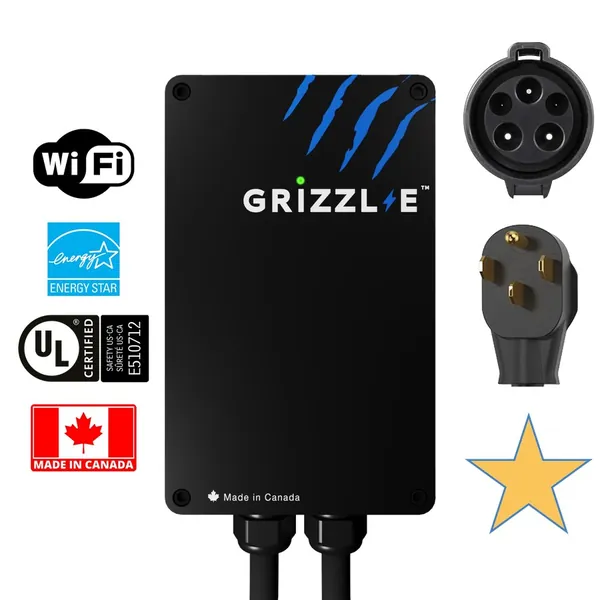
For no-garage outdoor stalls, a plug-in weatherproof Canada-listed Level 2 on an approved receptacle is usually the clearest renter/condo negotiation: removable at move-out, clearer ownership than a hardwired wallbox, and outdoor-capable when used per the manual. Decision detail: portable vs hardwired.
While you wait
- Workplace charging and public L2 / DCFC are legitimate bridges — public vs portable
- Level 1 on a permitted direct 120V receptacle in good condition may cover short weeks — never via household extension across the lot — Level 1 vs Level 2