Owner vs renter (Saskatchewan honesty).
Condo owners need board or corporation approval for common-property electrical work. Renters need written landlord or property-manager permission. We are not aware of a Saskatchewan rule that gives renters or condo owners a specific right to install EV charging, so treat it as a request and negotiation — and ask your condo corporation or a lawyer if you’re unsure.
Outlet, amps, install type, and who to ask
Directional only — your licensed electrical contractor sizes the circuit. EV charging is a continuous load, so chargers are normally set to about 80% of the breaker rating.
| Your situation |
Outlet & amp reality |
Portable or hardwired |
Who to ask |
Saskatchewan note |
| Renter, stall with a block-heater plug |
120 V Level 1 only (about 12 A on a 15 A circuit) — if the circuit is dedicated and not on a timer |
Portable only |
Landlord / property manager, in writing |
Block-heater plugs are not automatic EV approval |
| Renter, landlord open to an upgrade |
Dedicated NEMA 14-50 (50 A) near the stall → up to about 40 A Level 2 |
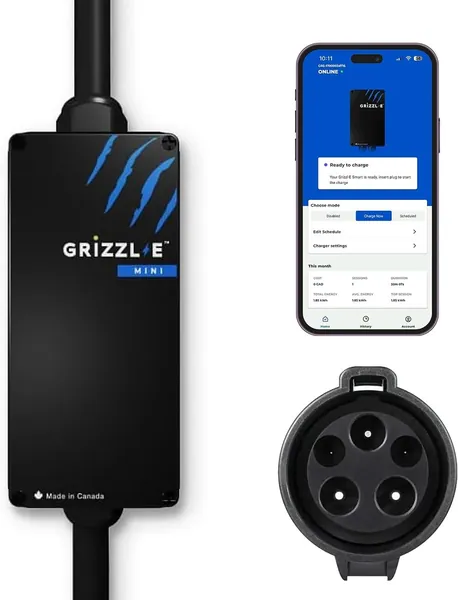
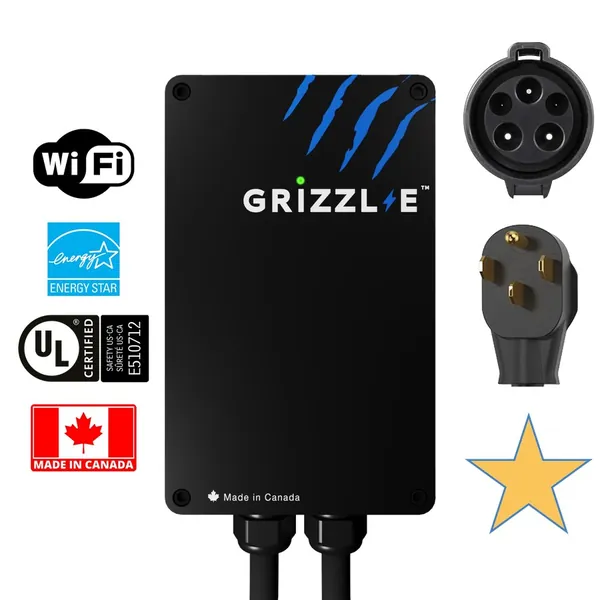
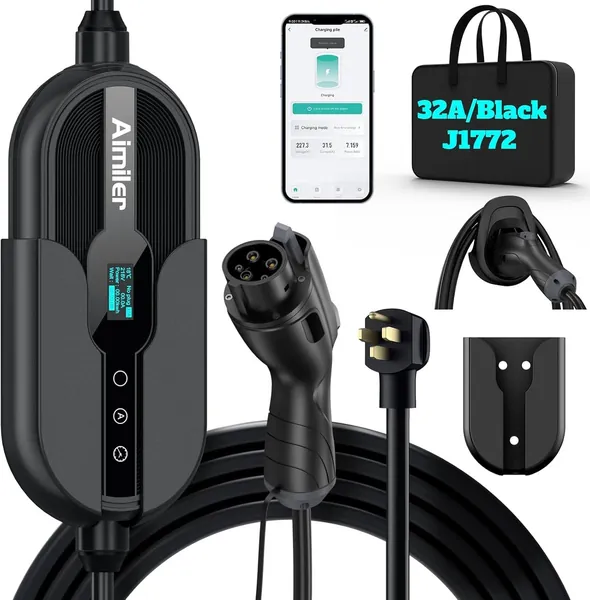
Portable plug-in you keep at move-out |
Landlord; licensed electrical contractor quotes |
Contractor’s permit through TSASK — no homeowner permit for EV chargers |
| Condo owner, assigned stall |
Dedicated NEMA 14-50 → up to about 40 A |
Portable plug-in is often the smaller ask |
Condo board / property manager |
Board may need its own electrician’s design and capacity check |
| Building planning shared chargers |
Set by the building system and load management |
Building-owned |
Board or owner |
Saskatoon’s multi-unit EV guide outlines plan → design → install → operate |
| Permanent wall unit approved |
Dedicated circuit per the charger manual |
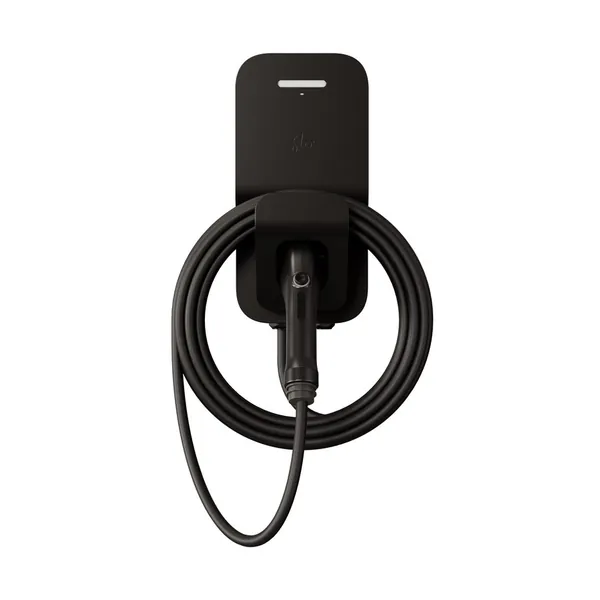
Hardwired (FLO Home X3 class) |
Board or landlord, with a written agreement |
Service upgrades go through SaskPower or Saskatoon Light & Power |
Permits: TSASK and a licensed contractor
- The Technical Safety Authority of Saskatchewan (TSASK) says homeowner electrical permits are not available for EV chargers. A licensed Saskatchewan electrical contractor must do the work under a contractor’s permit.
- TSASK also notes you can request a copy of any permit for work done on your property. Ask for it.
- If the building needs a new or upgraded electrical service, your installer contacts SaskPower or Saskatoon Light & Power, depending on which utility serves the address.
Utilities and programs
- SaskPower serves Regina and most of the province. Its Electric Vehicle Infrastructure Program funds nine public fast-charging stations — useful for highway trips, not for home or apartment charging.
- Saskatoon Light & Power serves part of Saskatoon; SaskPower serves the rest. Check your bill.
- The City of Saskatoon publishes a multi-unit residential EV page and a step-by-step guide for property owners, managers, and condo boards — worth forwarding to your board.
- We could not find a current Saskatchewan rebate for home or apartment EV chargers, so none is listed. Check SaskPower and your city before you budget.
Prairie winter honesty
Deep cold cuts range and slows charging. Many drivers find Level 1 on a block-heater style outlet can cover short city weeks but falls behind in a cold snap with longer drives. If your commute is long, the dedicated-receptacle Level 2 ask is worth making before winter. Cold-weather details: winter portable L2 · pre-winter checklist: fall EV charging prep · decision frame: Level 1 vs Level 2.
- Precondition while plugged in when you can.
- Keep the cable off ice and out of tire and plow paths; holster the connector.
- Check your charger’s rated operating temperature in the manual — prairie lows can go past what some gear is rated for.
Public and workplace backups
Public Level 2 and fast charging help while you wait for approval, and highway fast chargers matter more on the prairies than in dense cities. Treat shared stalls as a bridge, not a nightly plan. Trade-offs: public vs portable.
Safety non-negotiables.
Never run a cord from a balcony, window, or patio door to the parking stall. Never use a household extension cord for EV charging. Never DIY electrical work — in Saskatchewan, EV charger work needs a licensed contractor’s permit. More:
extension-cord safety.
Caveats
- Program and permit details were checked on September 30, 2026 and can change; confirm with TSASK, SaskPower, Saskatoon Light & Power, and your city.
- We have not confirmed EV-specific condo or tenancy rules in Saskatchewan.
- Amp figures are typical examples. Your electrician and the charger manual set the real numbers.
FAQ
Is there a Saskatchewan rebate for a home or apartment EV charger?
We could not find one as of September 30, 2026. SaskPower’s Electric Vehicle Infrastructure Program funds nine public fast-charging stations, prioritized near main highways — not home or apartment chargers. Budget for the full cost of the receptacle, the electrician, and the charger, and check SaskPower and your city for anything new.
Can I get a homeowner electrical permit and install an EV charger myself in Saskatchewan?
No. The Technical Safety Authority of Saskatchewan (TSASK) says homeowner electrical permits are not available for EV chargers; a licensed Saskatchewan electrical contractor has to do the work under a contractor’s permit. You can ask the contractor for a copy of the permit.
Who is my electricity utility in Saskatoon and Regina?
Regina is served by SaskPower. Saskatoon is split: Saskatoon Light & Power serves part of the city and SaskPower serves the rest, so check your bill. For new or upgraded electrical service, your installer contacts whichever one serves the building.
I rent in Saskatoon or Regina. Can I plug my EV into the block-heater outlet?
Only if your landlord says yes in writing. Block-heater plugs are standard in prairie parking lots, but they are usually 120 V and may be shared or on timers. They were not planned for all-night EV load. Ask whether the circuit is dedicated and approved for EV use, or ask for a dedicated receptacle. See Level 1 vs Level 2.
What does my condo board need to see before approving a charger?
The City of Saskatoon’s multi-unit EV guide suggests boards and property managers plan with a licensed electrician, survey residents, pick a charger setup, get a design and cost estimate, and obtain permits before commissioning. A clear request from you — stall number, charger type, who pays, licensed electrician — makes that easier. Process tips: condo board approval.
Portable or hardwired in a Saskatoon or Regina condo?
A portable plug-in charger on a dedicated NEMA 14-50 is often the simpler approval: the building owns the receptacle and you take the charger when you move. Hardwired units like FLO Home X3 are permanent and usually need a written agreement. Compare: portable vs hardwired.