Owner vs renter — do not confuse the paths.
If you
own an Ontario condo unit, use the CAO-aligned process on
Ontario Condo EV Charger Request. If you
own a BC strata lot, start with
BC Strata EV Charging. If you
rent, landlord / property-manager permission is the default path in typical Canadian apartments — including most Ontario rentals. This page is for renters.
Kill bad advice immediately.
Never run a cord from a balcony or window to the parking stall. Never use a household extension cord for EV charging. Never DIY electrical work. Those shortcuts create fire, liability, and insurance risk — and they will kill board / landlord goodwill.
Workable paths (ranked for most renters)
1. Level 1 (120V)
OEM or listed dual-voltage cord on a permitted 120V outlet in good condition. Slow (~5–8 km of range per hour — rough) but real for short city trips. Confirm the outlet is yours to use and not a shared hallway plug.
2. Portable Level 2
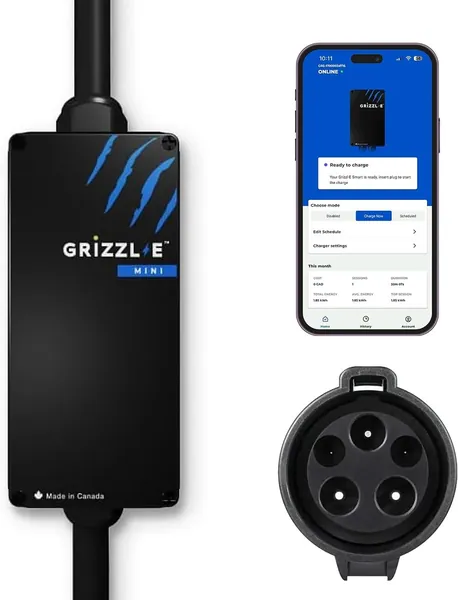
Best durable upgrade: landlord-approved dedicated continuous-load-rated NEMA 14-50R + your own weatherproof Canada-listed plug-in EVSE. Removable if you move. Primary path this site recommends over hardwired wallboxes for renters.
3. Building shared chargers
If your MURB already has shared Level 2 stalls, learn booking rules, fees, and etiquette. Shared gear is not a substitute for negotiating your own dedicated receptacle — but it buys time.
4. Public / workplace bridge
While you negotiate, budget workplace charging (if offered), network apps, and municipal / commercial L2 or DC fast. Toronto / GTA context: Toronto & GTA apartment EV charging.
Why owners ≠ renters (Canada snapshot)
| Province themes |
Condo / strata owner |
Apartment tenant |
| Ontario |
O. Reg. 48/01 EVCS + CAO application path · guide |
Landlord / PM permission typical · no general tenant right to charge · |
| BC |
SPA request process themes + EPR / CleanBC MURB · guide |
Landlord / lessor consent typical · rebate consent forms often need landlord signature · |
| Quebec |
Syndicat negotiation; building programs (e.g. Écorecharge themes) · |
Landlord permission default · |
If you rent a condo unit from an owner, you usually still need the owner (or both of you) engaged with the corporation — the owner process does not automatically transfer to tenants.
30-day renter plan
-
Week 1 — measure reality
Track daily km. Photo your stall, any nearby outlets, panel / meter clues, and existing EV stalls. Start Level 1 with a listed cord only if the outlet is permitted and healthy.
-
Week 2 — written ask
Email landlord / property management. Ask for a dedicated continuous-load-rated NEMA 14-50R, not a hardwired wallbox. Offer to pay the licensed electrician and discuss fair electricity metering / reimbursement.
-
Week 3 — quotes + shortlist
Get an electrician quote (landlord’s preferred vendor is fine). Shortlist a portable weatherproof Canada-listed L2 (see Mini Connect CTA below). Read the outlet guide so you speak the same language.
-
Week 4 — decision + backup
If approved, schedule install and buy the EVSE after the receptacle plan is clear. If denied or delayed, document the trail and budget public / workplace charging while you escalate politely or plan a move.
Mini landlord script (tone only)
I’d like a dedicated NEMA 14-50R (continuous-load-rated) at my assigned stall. I’ll buy a portable Canada-listed EVSE (CSA / cUL / ETL-C), pay the licensed electrician / permits as agreed, and set a fair electricity method. I will not use extension cords or balcony cables. Happy to use your preferred contractor.
For a ready-made letter structure, see the landlord request letter guide.
Ontario-aware notes for renters
- CAO EVCS process = primarily unit owners, not a general Residential Tenancies Act “right to charge.”
- Lease clauses banning charging or cord use are common — read yours before you buy hardware.
- If you rent inside a condo corporation, the owner may still need the corporation path even after the landlord says yes.
- ESA / Licensed Electrical Contractor practice for new outlets — see esasafe.com themes.
- GTA parking + winter + public backup: Toronto / GTA hub.
What to buy after permission (portable primary)
Portable weatherproof Level 2 first. Hardwired wallboxes are secondary when the building already requires them or you own and stay long-term. Pair only with a proper dedicated receptacle — never with an extension cord.
Prices approximate CAD — confirm live. Compare: Grizzl-E vs AIMILER vs VEVOR. Tesla / NACS inlet + J1772 EVSE? See J1772 to NACS adapter guide.
Safety strip (non-negotiable)
- No balcony cords or window drops
- No household extension cords for EV charging
- No DIY wiring or panel work
- Dedicated circuit for Level 2 · continuous-load-rated receptacle
- CSA / cUL / ETL-C listed EVSE only
- Stop if plugs run hot, smell, or trip breakers