Owner vs renter (Ontario / Ottawa).
Condo unit owners can often use the CAO-aligned EVCS application process — start with
Ontario Condo EV Charger Request.
Apartment tenants in Ontario normally need
landlord / property-manager permission. There is
no blanket provincial “right to charge” for renters that replaces a lease negotiation. Cite carefully, document in writing, and don’t assume a neighbour’s install means you’re covered.
What “apartment EV charging” means in Ottawa
Most capital-region drivers without a detached garage land in one of these buckets:
- Condo corporation — parking unit or assigned stall; board + property management; common-element electrical work
- Rental apartment / MURB — landlord or large PM; lease rules; weaker process rights than condo owners
- Hybrid — you rent a condo unit from an owner who still has to engage the corporation
Home charging is feasible in many buildings, but it depends on approval, electrical capacity, who owns the stall, and how electricity is billed. Treat blog dollar quotes as unverified until a Licensed Electrical Contractor prices your run.
City & Hydro Ottawa pointers (confirm live)
Use official pages for process and connection themes — not as a promise that your stall gets a charger:
Block-heater outlet ≠ EV permission.
A winter block-heater receptacle (or a timed outdoor plug meant for engine heaters) is
not automatic approval to plug in a Level 2 EVSE all night. Continuous EV load, breaker sizing, and building rules are a different ask. Get written permission and a continuous-load-rated path — see
NEMA 14-50 guide.
Practical Ottawa playbook
-
Map your week + winter buffer
Note commute km (Kanata / Orléans / Barrhaven / downtown splits matter) and add a cold-range hedge (~25–35% directional; CAA winter tests showed wide model variance). Details: Winter portable L2.
-
Photo the parking reality
Stall number, distance to any outlet, existing EV stalls, signage. Don’t assume visitor or driveway plugs are fair game.
-
Pick the permission path
Condo owner → Ontario EVCS page. Renter → written landlord ask for a dedicated continuous-load-rated NEMA 14-50R + plug-in weatherproof listed EVSE (you pay agreed costs). Honesty page: Renter Playbook.
-
Ask for the smallest durable upgrade
Often a dedicated NEMA 14-50R beats jumping to a hardwired wallbox — clearer ownership, removable gear. Building-wide shared / power-sharing programs can still be smarter at scale — ask if your corp already has a vendor.
-
Keep public / workplace backup
While boards or landlords move, budget apps, workplace charging, and municipal / commercial L2 or DCFC. Compare cost/time honestly: Public vs portable.
Portable vs shared stalls
- Your stall + portable L2 on an approved receptacle — best overnight recovery and ownership clarity for many drivers
- Shared visitor / assigned EV stalls — great bridge; poor as your only nightly plan if etiquette timers and queues bite
- Building load management — Hydro Ottawa / City materials often highlight power-sharing as cost-effective for MURBs; still requires board / owner action, not DIY
Winter in Ottawa
Deep cold is not theoretical here. Precondition while plugged in when you can, don’t plan cottage weekends solely on “maybe I’ll find a downtown stall,” and use outdoor-rated gear only as the manual allows. Never balcony / window cord drops — ice makes bad ideas worse.
Hardware after permission
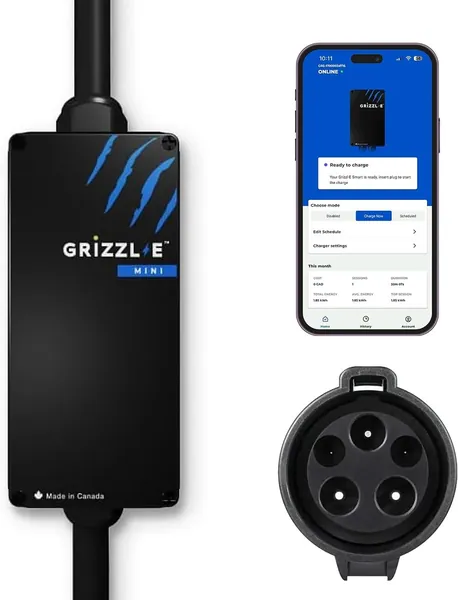
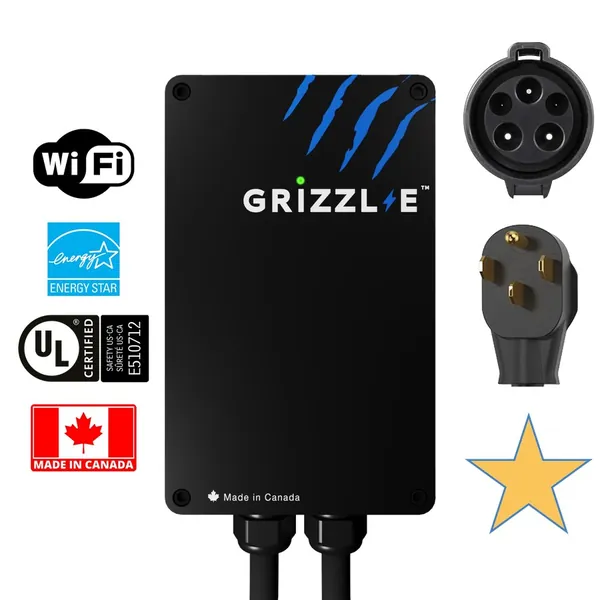
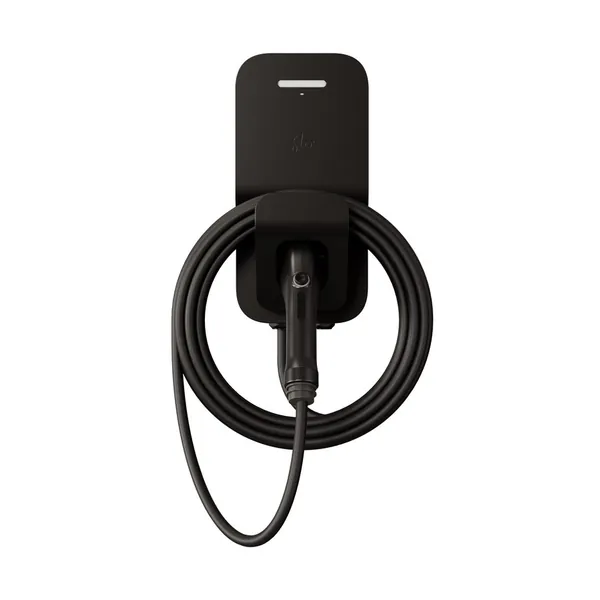
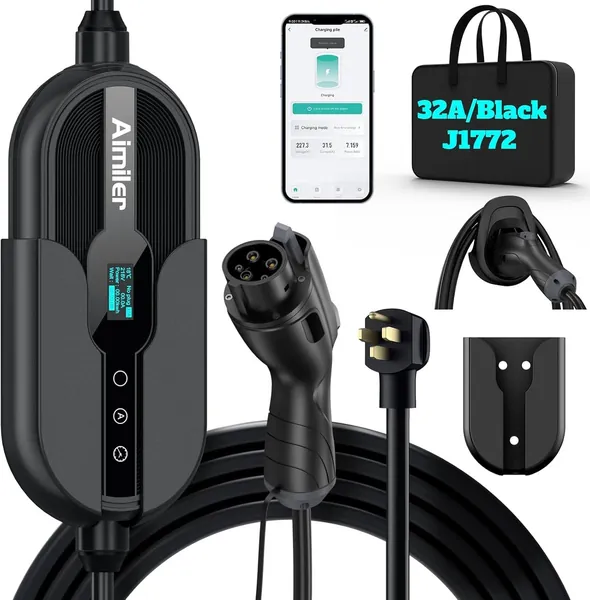
Once you have an approved path (condo EVCS agreement or written landlord consent) and a proper receptacle, shortlist outdoor-ready weatherproof Level 2 gear rated for Ottawa cold. Buy Canadian first: Grizzl-E Mini + Classic (Made in Canada), FLO Home X3 (Canadian brand only — hardwired), then AIMILER only as a labeled Imported alternative. Prefer Ships from Amazon. VEVOR stays caution-only on the compare page.