Owner vs renter — read this first.
The Condominium Authority of Ontario (CAO) EVCS process described here is aimed at condo unit owners proposing charging that affects common elements or parking. It is not a general apartment-tenant “right to charge” law. Ontario renters normally need landlord / property-manager permission and a separate negotiation. If you rent a condo unit from an owner, you usually still need the owner (or both of you) on the corporation process — confirm with your lease and property management.
What this page covers
Since May 2018 themes, Ontario Regulation 48/01 under the Condominium Act, 1998 sets processes for electric vehicle charging systems in condominiums — both corporation-initiated and owner-initiated. The CAO publishes guides and application / response templates.
Primary official hub (confirm live): condoauthorityontario.ca — Electric Vehicle Charging Systems. Cross-check statute text on ontario.ca/laws. Rules and templates change — treat dates and timelines below as directional.
Owner-initiated path (high level)
Directional summary of the CAO owner-initiated flow. Always prefer the live CAO guide + O. Reg. 48/01 text over this page.
-
Prepare a written application
Identify yourself and your address for service, sign the application, and include drawings, specifications, and information about the proposed installation. CAO publishes an owner application template — use the current official PDF when possible. Ask property management how they want packages delivered (paper / email / agreed method).
-
Submit a complete package
Incomplete applications stall the process. The corporation has an obligation to respond in writing and to assist you in meeting the prescribed requirements. If they ask for more drawings or specs, supply them promptly.
-
Board decision window (commonly 60 days)
Once a complete application is in, the corporation commonly has 60 days to respond in writing (extendable if you both agree in writing). Secondary commentary sometimes discusses “deemed not rejected” if no written response arrives in time — do not rely on blog summaries; confirm exact O. Reg. 48/01 wording before you act on silence.
-
Limited refusal grounds
Per CAO framing, the corporation can reject based on the opinion or report of a qualified professional if the install would violate the Condo Act or other legislation, adversely affect structural integrity, or pose a health and safety risk — and must provide a copy of that opinion/report if they reject. Exact list and alternatives (e.g. proposing another plan) live in the regulation / guide.
-
Written agreement (commonly 90 days)
After acceptance, owner and corporation commonly have 90 days to enter a written agreement covering installation-related costs and responsibilities. CAO states the agreement is generally registered on title of the owner’s unit and does not take effect until registration. Owners typically bear agreed install costs unless the agreement says otherwise.
-
Licensed Electrical Contractor + ESA practice
Installation should be done by a Licensed Electrical Contractor with expected ESA permit / inspection practice for many Ontario installs. Find contractors via esasafe.com — confirm current rules. No DIY wiring, no household extension cords, no balcony drops.
Disputes (high level). CAO notes disagreements between owner and corporation must go to private mediation and arbitration within six months; if not raised in time, the owner’s application may be treated as abandoned. First emails should stay cooperative — cite the process, don’t lead with threats.
Outlet-first angle (still often useful)
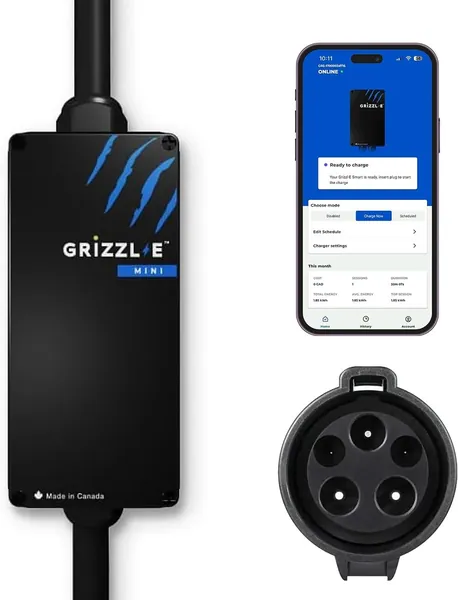
Even inside the EVCS process, proposing a dedicated continuous-load-rated NEMA 14-50R plus your own plug-in weatherproof Canada-listed EVSE (CSA / cUL / ETL-C) can lower equipment-ownership friction versus a hardwired wallbox — subject to how your corporation’s forms define an EVCS. Ask property management how they classify a receptacle-only request. Details: NEMA 14-50 & Outlet Guide for Canadian Renters.
What to attach (practical checklist)
- Unit #, parking stall / parking unit description, contact info
- Description of work + preferred location (photos help)
- Drawings / specs / report materials matching CAO application themes
- Proposed Licensed Electrical Contractor (or ask for preferred vendors)
- Product sheet for a plug-in weatherproof Canada-listed EVSE you will own and can remove if required
- Clear statement you will cover agreed costs, follow ESA requirements, and will not use extension cords or balcony cables
Cover-note tone (not a full email dump)
Keep the first message short: you are applying under O. Reg. 48/01 EVCS themes, you prefer a dedicated NEMA 14-50R + plug-in weatherproof listed EVSE (or the corporation’s preferred listed configuration), attachments are enclosed, and you will follow the regulated timeline and written agreement.
If you are a renter in Ontario
Landlord permission is the default path in typical rentals. The condo owner EVCS process does not automatically transfer to tenants. Be honest with yourself about leverage: document requests, offer to pay for a licensed electrician and a dedicated outlet, and keep a public / workplace charging backup while you negotiate. Toronto / GTA apartment context: Toronto & GTA apartment EV charging.
Safety non-negotiables
- No balcony cords or window drops to reach the car
- No household extension cords for EV charging
- CSA, cUL, or ETL-C listed EVSE only
- Call a Licensed Electrical Contractor for new outlets / circuits
- Stop if plugs heat, smell, or trip breakers