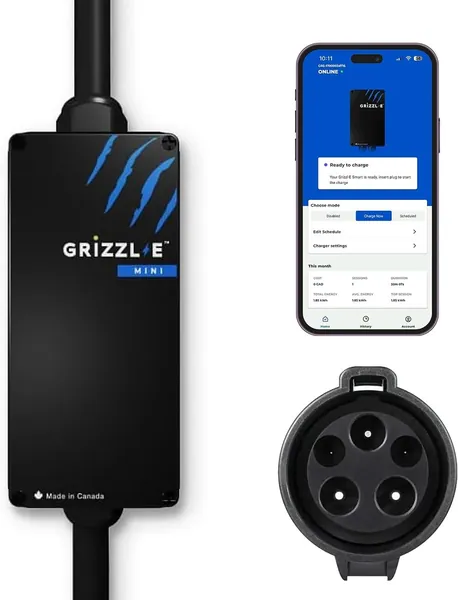
Made in Canada · Best overall
Recently ~$600 on Amazon.ca (list ~$650) — confirm current price
Grizzl-E Mini Connect
Made in Canada, outdoor-ready Level 2 — pairs with a proper 14-50 when approved.
Grizzl-E Mini Connect on Amazon.ca · ~$600
Canada · Renters · Condos · Outlets first
Start with the outlet, not the charger brand. How Canadian renters and condo residents can talk about 120V vs dryer vs RV/EV receptacles — safely, and without DIY electrical work.
Everyday 120V wall outlets. Useful for Level 1 only (~5–8 km of range per hour of charge — rough). Fine overnight for short city trips if the outlet is permitted and in good condition. Not a Level 2 path.
Common on many electric dryers. Sometimes discussed as a possible L2 path — not automatic. An electrician must confirm load, duty cycle, shared circuits, and whether the receptacle and wiring are appropriate for EV use.
RV / range / EV common receptacle. The preferred plug-in Level 2 target in Canada when installed as a dedicated, continuous-load-rated circuit. 14-50R = receptacle · 14-50P = plug on the EVSE.
Don’t use without permission and without confirming the circuit. Shared outlets, worn receptacles, and unknown wiring are how trips, heat, and insurance headaches start.
EV charging runs for hours. A cheap residential 14-50 that was never meant for continuous EV duty can overheat. Ask the electrician for:
| Mark | Canada-accepted? | Notes |
|---|---|---|
| CSA | Yes | Look for CSA on the EVSE nameplate / listing. |
| cUL (UL with C) | Yes | UL mark with Canada recognition. |
| ETL with C | Yes | Intertek ETL with Canada mark. |
| UL only (no C) | Not on its own | Confirm with your authority having jurisdiction before install. |
Weatherproof / plug-in EVSE you buy for apartment / outdoor use should show a Canada-accepted mark. Shortlist: Grizzl-E vs AIMILER vs VEVOR and the homepage picks.
Other provinces: follow your local AHJ / technical safety authority (e.g. Technical Safety BC).
Owners in Ontario condos often file this inside the CAO EVCS application. Renters usually send a landlord / PM email and negotiate.
Pick outdoor-ready weatherproof Level 2 gear that matches the receptacle and your building rules. Canada-made Grizzl-E is the NoGarageEV hero pick; budget options exist with tradeoffs. Compare: Grizzl-E Mini vs AIMILER vs VEVOR.
Prices are approximate CAD and may change on Amazon.ca. confirm the listing and Canada safety mark before you buy.
Made in Canada · Best overall
Recently ~$600 on Amazon.ca (list ~$650) — confirm current price
Made in Canada, outdoor-ready Level 2 — pairs with a proper 14-50 when approved.
Grizzl-E Mini Connect on Amazon.ca · ~$600
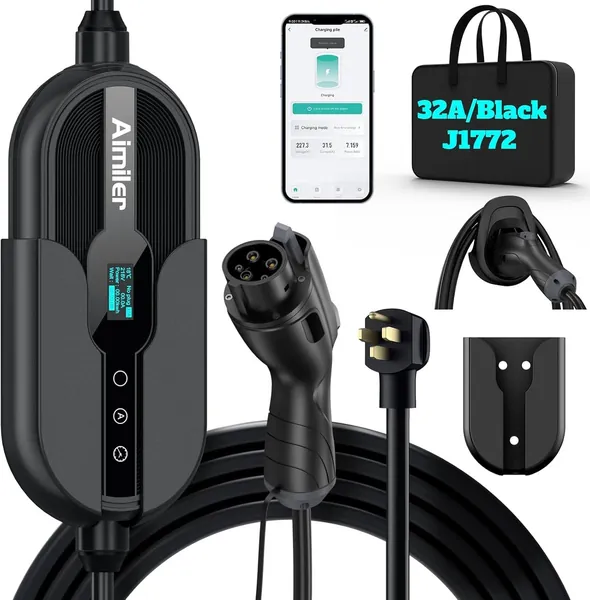
Imported alternative
Cheaper plug-in option if you accept tradeoffs — confirm CSA/cUL/ETL-C on the listing.
AIMILER 32A on Amazon.ca · ~$280
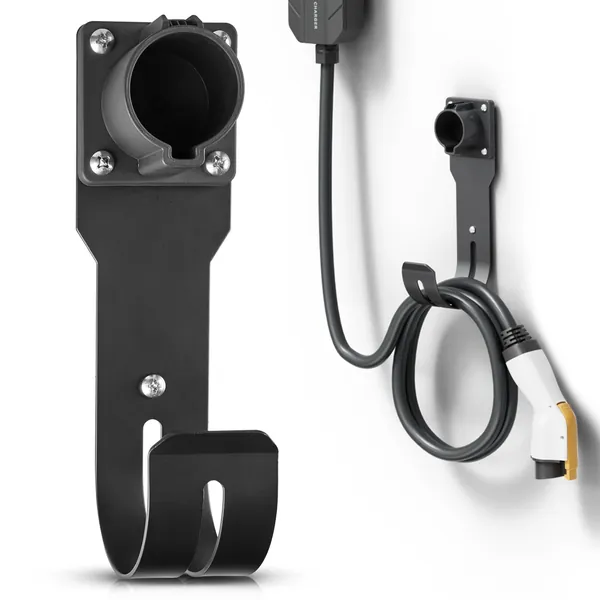
Cable care
Optional — keep cable off wet / salted floors when building rules allow a simple hang. Approx CAD on Amazon.ca.
MECMO cable holder on Amazon.ca · ~$22
Full three-way compare (incl. caution framing on VEVOR): Grizzl-E vs AIMILER vs VEVOR.