Owner vs renter (Ontario honesty).
Condo unit owners have a regulated application process under O. Reg. 48/01. Tenants do not get that process; they need written landlord or property-manager permission. If you rent a condo unit from an owner, the owner usually has to make the application.
What no-garage charging looks like here
Hamilton and Kitchener-Waterloo have a mix of older walk-ups with surface lots, newer downtown and uptown condo towers with underground parking, and large rental buildings run by property managers. In practice, most drivers without a garage fall into one of these setups:
- Condo with an owned or assigned parking unit — board and property management; common-element electrical work; O. Reg. 48/01 process
- Purpose-built rental — landlord or property manager decides; building may already have a shared charging vendor
- Surface-lot stall — outdoor receptacle, snow clearing, and cable routing matter; see outdoor parking stall charging
Outlet, amps, install type, and who to ask
Directional only — your electrician sizes the circuit. EV charging is a continuous load, so chargers are normally set to about 80% of the breaker rating.
| Your situation |
Outlet & amp reality |
Portable or hardwired |
Who to ask |
Ontario process note |
| Condo owner, underground stall |
New dedicated NEMA 14-50 (50 A) → up to about 40 A Level 2 |
Portable plug-in is often the smaller ask; hardwired if the board prefers a fixed unit |
Board / property management, in writing |
O. Reg. 48/01 application; response commonly within 60 days of a complete package |
| Condo owner, building has a shared vendor |
Set by the building’s system and load management |
Building-owned or vendor-owned |
Property manager |
Ask about sign-up, billing, and whether you may still apply for your own install |
| Renter, surface lot |
Often only a 120 V outlet → Level 1 (about 12 A on a 15 A circuit) |
Portable only |
Landlord / property manager, in writing |
No tenant right-to-charge process; negotiate and get the answer in writing |
| Renter, landlord open to an upgrade |
Dedicated NEMA 14-50 near the stall → up to about 40 A |
Portable plug-in (you take the charger at move-out) |
Landlord; licensed electrical contractor quotes |
ESA permit and inspection practice applies to new circuits |
| Renting a condo unit from an owner |
Same as the owner rows |
Usually portable |
Your landlord (the owner), who then applies to the corporation |
The owner is the applicant under O. Reg. 48/01 |
Ontario condo process (short version)
-
Written application from the owner
Drawings, specs, and a description of the install, using the Condominium Authority of Ontario template where possible. Full walk-through: Ontario condo EV charger request.
-
Corporation responds in writing
Commonly within 60 days of a complete application. Refusals are limited to specific grounds backed by a qualified professional’s opinion or report.
-
Written agreement
Commonly within 90 days after acceptance, covering costs and responsibilities. Confirm current rules with the CAO.
-
Licensed Electrical Contractor + ESA
New circuits and receptacles go through a licensed contractor with ESA permit and inspection practice. No DIY.
Canada-wide board tips: condo board EV charger approval. Renter letter structure: landlord request letter.
Utilities and overnight pricing
- Alectra Utilities — Ultra-Low Overnight pricing (Hamilton is in Alectra’s service area). That page lists the ULO hours and current prices.
- Enova Power — EV charging connection procedures (Kitchener, Wilmot, Waterloo, Woolwich, Wellesley). Building-owned or third-party chargers in multi-unit buildings go through Enova’s EV connection process — that step belongs to your landlord or board.
- Enova Power launched a managed EV charging program in July 2026. Enrollment is free and voluntary, and an app schedules charging for lower-price periods. The announcement doesn’t cover bulk-metered or sub-metered apartments, so check with Enova whether your account and charger qualify.
- GrandBridge Energy serves Cambridge — check your bill to confirm your utility.
- Ultra-Low Overnight (ULO): set by the Ontario Energy Board, lowest price from 11 p.m. to 7 a.m. daily, and higher prices on weekday afternoons and evenings. It applies to your whole account, not just the car. We don’t quote cents per kWh here because prices change; check your utility.
- Bulk-metered or sub-metered building? Then your landlord or sub-metering company sets how EV electricity is billed. Put billing in your written request.
Public and workplace backups
While the board or landlord decides, plan on public and workplace charging. Enova Power lists six public Level 2 chargers at 526 Country Squire Road in Waterloo and a DC fast charger at 301 Victoria Street South in Kitchener. Hamilton drivers can use network apps and workplace charging. Treat shared stalls as a bridge, not a nightly plan. Trade-offs: public vs portable.
Winter in the Golden Horseshoe and Waterloo Region
Freeze-thaw cycles, road salt, and heavy snow days are hard on outdoor cables and receptacles. Do your prep in the fall — fall EV charging prep — and read winter portable L2 for cold-weather range and overnight recovery.
Safety non-negotiables.
Never run a cord from a balcony, window, or patio door to the parking stall. Never use a household extension cord for EV charging. Never DIY electrical work. More:
extension-cord safety.
Caveats
- Condo timelines are the commonly cited O. Reg. 48/01 ones; confirm the current regulation and CAO guide.
- Utility service areas and program details change — confirm on your bill and the utility’s site.
- We don’t list any charger rebate on this page. Check your utility and the province for current offers before you budget.
- Amp figures are typical examples. Your electrician and the charger manual set the real numbers.
FAQ
Can I install an EV charger in my Hamilton or Kitchener-Waterloo condo?
Condo unit owners in Ontario can apply to the corporation under O. Reg. 48/01 of the Condominium Act, 1998. The corporation commonly has 60 days to respond in writing to a complete application and can refuse only on limited grounds backed by a qualified professional’s opinion. Confirm the current Condominium Authority of Ontario guide. Step-by-step: Ontario condo EV charger request.
I rent an apartment in Hamilton or Waterloo. Do I have a right to charge?
Not a general one. The Ontario condo EV process is for unit owners, not tenants. Renters normally need written landlord or property-manager permission. Offer to pay agreed costs for a dedicated receptacle and a licensed electrician, and suggest a removable portable charger. See the renter playbook.
Who is my electricity utility in Hamilton, Kitchener, and Waterloo?
Alectra Utilities serves Hamilton. Enova Power serves Kitchener and Waterloo, plus Wilmot, Woolwich, and Wellesley. GrandBridge Energy serves Cambridge — check your bill to confirm. In many apartment buildings the landlord or a sub-metering company bills you instead, which changes which rate plans you can pick.
Does Ontario’s Ultra-Low Overnight rate help apartment EV charging?
It can if you have your own utility account on the Regulated Price Plan. Ultra-Low Overnight pricing is set by the Ontario Energy Board, and its lowest price period runs 11 p.m. to 7 a.m. every day. Utilities had to offer it by November 1, 2023. If your building is bulk-metered or sub-metered, ask your landlord how EV use will be billed. Prices change, so check your utility’s rate page.
Portable or hardwired charger for a Hamilton or K-W condo stall?
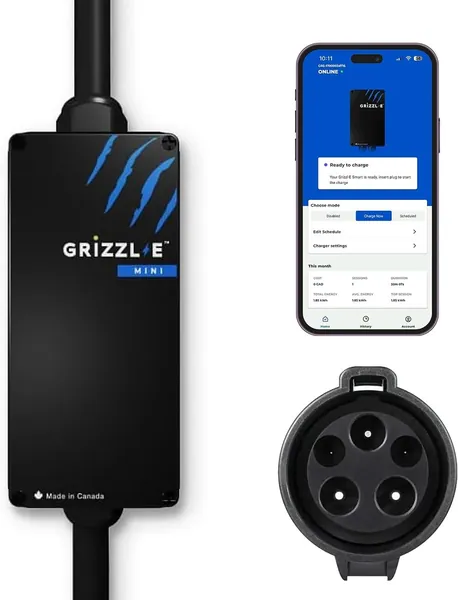
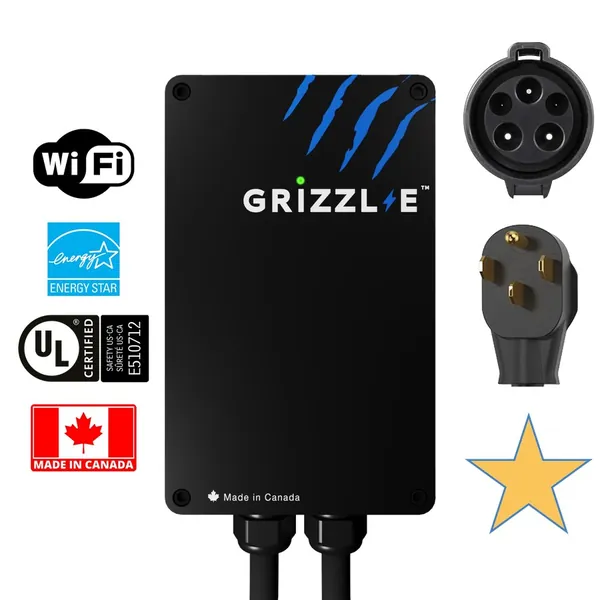
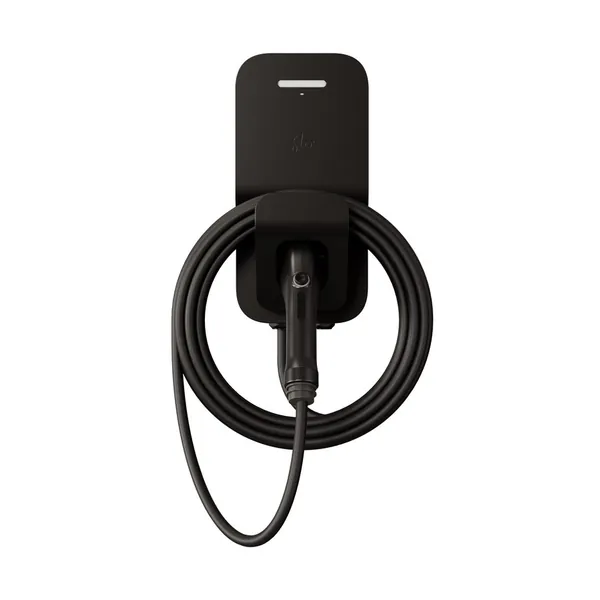
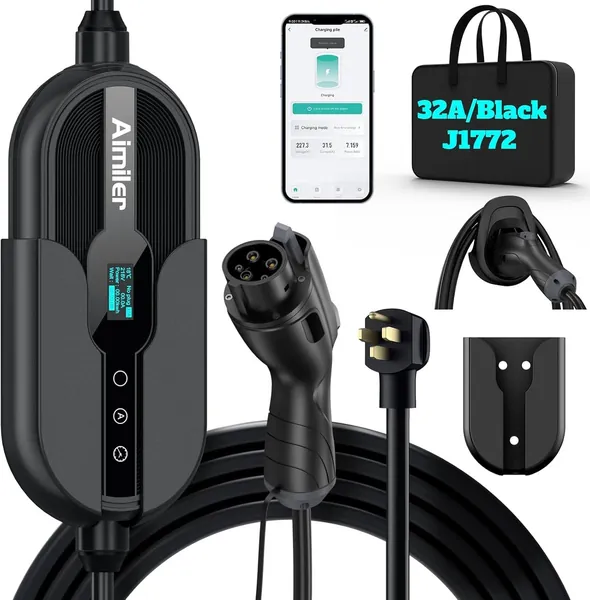
A portable plug-in charger on a dedicated NEMA 14-50 is often the simpler ask: the corporation or landlord owns the receptacle and you keep the charger. A hardwired unit such as FLO Home X3 is permanent and usually needs a written agreement. Compare: portable vs hardwired.
Where can I charge in Kitchener-Waterloo while I wait for approval?
Public networks, workplace charging, and utility-owned chargers help. Enova Power lists six public Level 2 chargers at its Country Squire Road office in Waterloo and a DC fast charger at its Victoria Street South office in Kitchener. Check a charging map for hours and pricing. Cost and time trade-offs: public vs portable.