Owner vs renter.
Condo owners work through the condominium corporation and board for any common-element electrical work. Renters need written landlord or property-manager permission. We have not confirmed an Ontario-style EV charging application process in force for condos in Nova Scotia or the other Atlantic provinces, so plan on a normal board request and ask your condominium corporation (or a lawyer) whether any EV-specific rules now apply.
Outlet, amps, install type, and who to ask
Directional only — your certified electrician sizes the circuit. EV charging is a continuous load, so chargers are normally set to about 80% of the breaker rating.
| Your situation |
Outlet & amp reality |
Portable or hardwired |
Who to ask |
Atlantic note |
| Condo owner, underground or assigned stall |
New dedicated NEMA 14-50 (50 A) → up to about 40 A Level 2 |
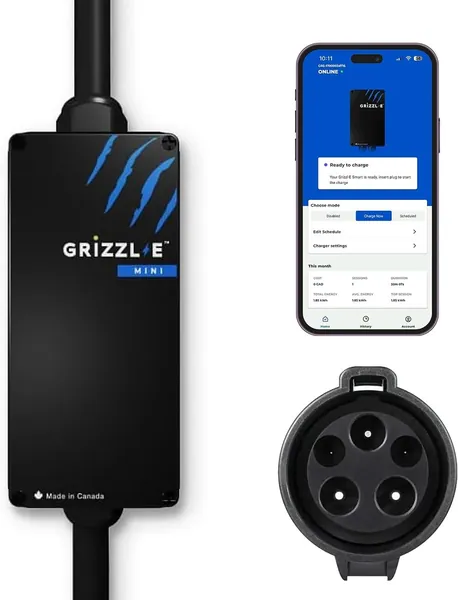
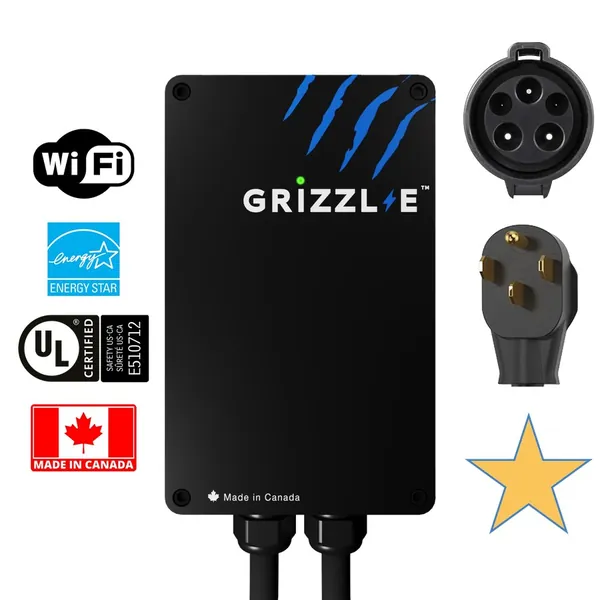
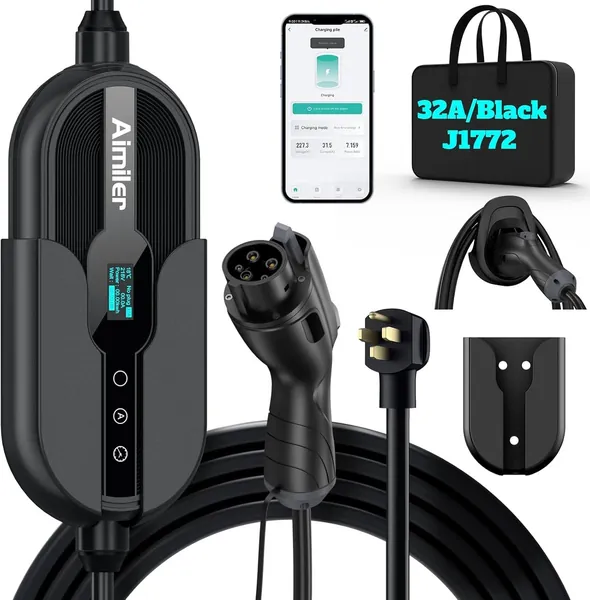
Portable plug-in is often the smaller ask |
Condo board / property manager, in writing |
Ask whether the corporation already has an EV plan or vendor |
| Renter, surface lot with a 120 V plug |
Level 1 only (about 12 A on a 15 A circuit) |
Portable only |
Landlord / property manager |
A block-heater style plug is not automatic EV approval |
| Renter, landlord open to an upgrade |
Dedicated NEMA 14-50 near the stall → up to about 40 A |
Portable plug-in you keep at move-out |
Landlord; certified electrician quotes |
Certified electrician handles the wiring permit where one is required (NS Power Inspection Services in NS) |
| Building wants shared chargers |
Set by the building system and load management |
Building-owned, usually networked |
Board or owner |
Efficiency NS multi-unit rebate is closed; in NS, owners and boards can look at CHARGED |
| Permanent wall unit approved |
Dedicated circuit per the charger manual |
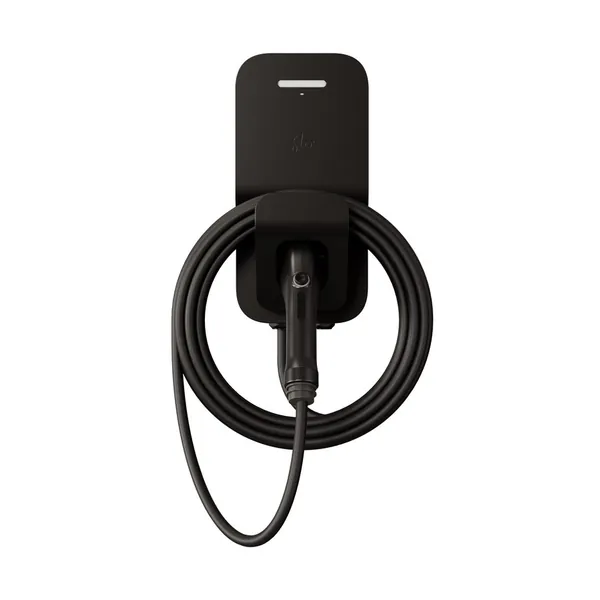
Hardwired (FLO Home X3 class) |
Board or landlord, with a written agreement |
Agree on ownership, maintenance, and removal up front |
Nova Scotia permits and inspections
- Only a certified electrician can obtain a wiring permit in Nova Scotia. Where the work needs one, your electrician opens it and books inspections through the Nova Scotia Power Wiring Permit Centre. Nova Scotia Power’s Inspection Services performs electrical inspections on behalf of the province under the Electrical Installation and Inspection Act.
- Some work may also need a municipal building permit — your contractor or the Halifax Regional Municipality can confirm.
- The province’s electrical safety page says additions and upgrades should be done by a qualified electrician with a wiring permit in most cases.
- Other Atlantic provinces have their own permit offices — ask your electrician.
Rebates and programs: what’s closed, what isn’t for you
- Efficiency Nova Scotia multi-unit EV charger rebates: the program page says the program is closed. When it ran, only building owners, managers, or condo boards could apply — not residents.
- Clean Foundation EV Boost: complete and no longer taking applications. It funded chargers at eligible organizations.
- CHARGED (Pollution Probe): the 2026–27 round funds new charging in Nova Scotia and Newfoundland and Labrador, and multi-unit residential buildings (at least 3 units) are an eligible location. Applicants must be organizations such as building owners or operators — individuals can’t apply — and projects must be operational by March 31, 2027. Worth forwarding to your board or landlord.
- New Brunswick: NB Power’s Plug-In NB rebate program closed on June 30, 2025, and NB Power’s business charging rebates are fully allocated.
- PEI and NL: we did not find a current home or apartment charger rebate to list. Check the Government of PEI and takeCHARGE (Newfoundland Power and Newfoundland and Labrador Hydro) for current offers.
We don’t list amounts for closed programs, and we don’t guess at new ones.
Coastal winters: cable and stall care
- Freeze-thaw cycles, wet snow, and salt spray are hard on connectors. Holster the handle connector-down and keep the cable off wet pavement.
- Ask for an in-use weatherproof cover on outdoor receptacles and a location out of the plow path.
- Inspect pins and the wall plug every fall for corrosion or heat marks — our fall EV charging prep checklist walks through it.
- Cold-weather range and overnight recovery: winter portable L2.
Public backups while you wait
Use network apps, workplace charging, and public Level 2 or fast chargers as a bridge. Recent charging funding in the region has focused on public and organizational sites rather than home chargers. Shared stalls are rarely a reliable nightly plan. Trade-offs: public vs portable.
Safety non-negotiables.
Never run a cord from a balcony, window, or patio door to the parking stall. Never use a household extension cord for EV charging. Never DIY electrical work. More:
extension-cord safety.
Caveats
- Program status was checked on September 30, 2026. Programs reopen, change, or close; confirm on the official pages.
- We have not confirmed EV-specific condo or tenancy rules in force in the Atlantic provinces, so this page treats every request as a negotiation.
- Utility service areas are simplified here; your bill shows your actual utility.
- Amp figures are typical examples. Your electrician and the charger manual set the real numbers.
FAQ
Is there a Nova Scotia rebate for an apartment or condo EV charger right now?
We could not find an open one for residents as of September 30, 2026. Efficiency Nova Scotia’s multi-unit residential EV charger rebate page says the program is closed, and that program only accepted applications from building owners, managers, or condo boards — not tenants. Clean Foundation’s EV Boost program is also complete. Building-level funding does exist: Pollution Probe’s CHARGED program accepts multi-unit residential buildings in Nova Scotia for 2026–27, but applicants must be organizations such as building owners or operators, not individual residents. Check Efficiency Nova Scotia for anything new before you plan around funding.
Who handles electrical permits for an EV charger in Halifax?
In Nova Scotia only a certified electrician can obtain a wiring permit; where the work needs one, your electrician opens it and books inspections. Nova Scotia Power’s Inspection Services performs electrical inspections on behalf of the province under the Electrical Installation and Inspection Act. A municipal building permit may also be needed for some work. Don’t DIY.
I rent in Halifax or Dartmouth. Can my landlord refuse EV charging?
We are not aware of a Nova Scotia rule that gives tenants a right to install EV charging, so treat it as a negotiation with your landlord or property manager. Put the request in writing, offer to cover agreed costs for a dedicated receptacle and a certified electrician, and suggest a removable portable charger. See the renter playbook.
What about New Brunswick, PEI, and Newfoundland and Labrador?
The same owner-versus-renter logic applies: condo owners go through their board, and renters need landlord permission. Utilities differ — NB Power in most of New Brunswick, Maritime Electric in most of PEI, and Newfoundland Power or Newfoundland and Labrador Hydro in NL. Programs open and close, so check the utility and provincial efficiency agency before you plan around a rebate.
Is salty coastal air a problem for outdoor EV chargers?
It can be hard on connectors and exposed metal over time. Choose a charger with an outdoor-rated enclosure, holster the connector, keep the cable off wet pavement, and inspect pins and the wall plug each fall. The FLO Home X3 listing specifically mentions resistance to corrosive coastal air; check any charger’s manual for outdoor limits.
Portable or hardwired for an Atlantic Canada condo stall?
A portable plug-in charger on a dedicated NEMA 14-50 is often the simpler approval, because the building owns the receptacle and you take the charger when you move. Hardwired chargers are permanent and usually need a written agreement. Compare: portable vs hardwired.