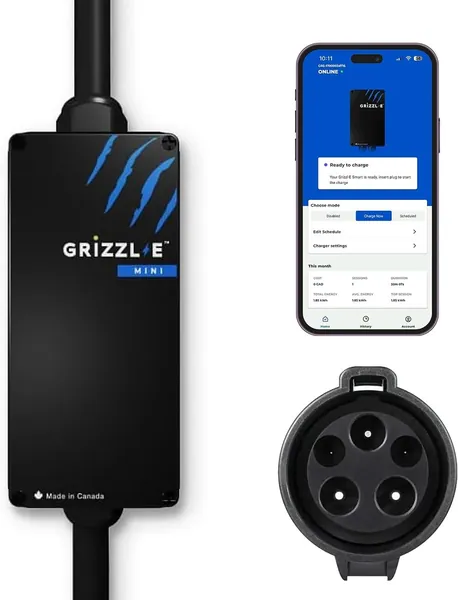
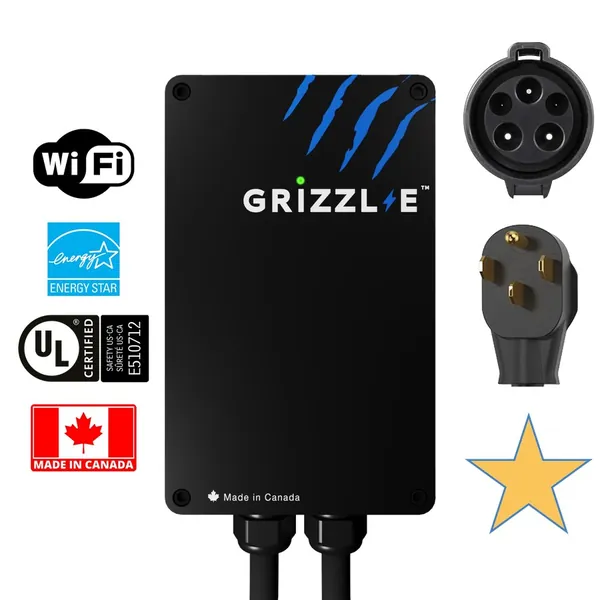
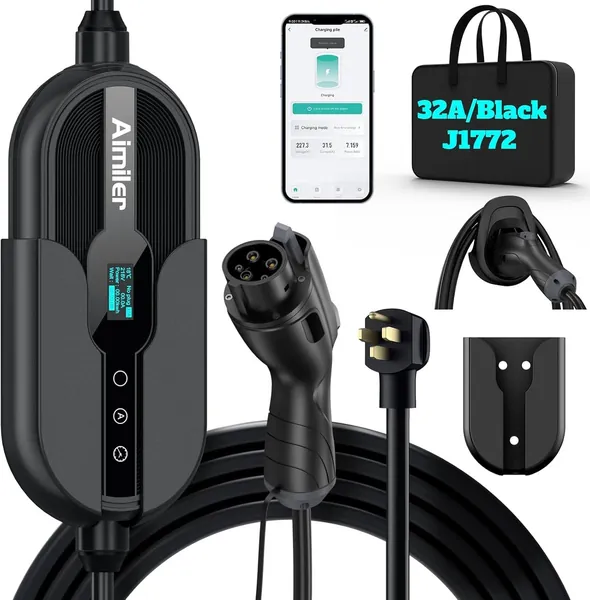
Outlet first, charger second.
Never use a household extension cord for EV charging, and never run a cord from a balcony, window, or patio door to the parking stall. If the receptacle is in the wrong place or the wrong type, the fix is a new receptacle installed by a licensed electrician. More:
extension-cord safety.
What drives the cost of an EV outlet at your stall
Ask for a written quote from a licensed electrician. These factors usually move the number most:
| Cost driver | Lower-cost situation | Higher-cost situation | Question to ask |
|---|
| Distance from panel to stall | Stall next to the electrical room | Long run across a garage level or surface lot | How many metres of wire and conduit? |
| Panel capacity | Spare space and capacity for a 40–50 A circuit | Full panel, or needs load management or a service upgrade | Is there room, or is load management needed? |
| Which panel | Your suite panel or a house panel near the stall | A new sub-panel or meter for parking | Whose meter will the circuit be on? |
| Outdoor work | Indoor garage wall | Trenching, pedestal, or exterior conduit | Can this be done before freeze-up? |
| Receptacle vs hardwired | Single 240 V receptacle for a portable charger | Hardwired wall unit plus mounting | Would a receptacle do the same job? |
| Permit and inspection | Standard electrical permit | Building engineering review or board approvals | Is the permit in the quote? |
Who usually pays for what
There is no single Canadian rule. These are the common arrangements; your lease, condo declaration, by-laws, and provincial rules decide.
| Item | Renter in an apartment | Condo owner |
|---|
| Install (electrician, permit) | Often negotiated; many tenants offer to pay to get a yes | Usually the owner who asks, under the condo’s approval process |
| The charger itself | Tenant — a portable unit leaves with you | Owner |
| Electricity | On your suite meter if wired there; otherwise a flat fee or sub-meter set by the landlord | Set by the agreement: suite meter, sub-meter, or a charge from the corporation |
| Repairs to the receptacle | Agree in writing who repairs it | Usually the owner, per the agreement |
| Removal at move-out | Agree in writing whether it stays or is removed | Set in the agreement (Ontario: under O. Reg. 48/01 the written agreement must allocate install cost and repair, maintenance and insurance duties) |
Province detail for owners: Ontario condo · BC strata · Québec Écorecharge.
Outlet and amp caveats that change the price
- Smaller circuit, smaller bill. If the panel is tight, a 30 A or 40 A circuit (charger set to 24 A or 32 A) can avoid an upgrade and still recharge most daily driving overnight. See amp sizing on a 100 A panel.
- A receptacle is often cheaper to approve than a wall unit. A dedicated 14-50 for a portable charger keeps the building’s part simple. Compare: 14-50 vs 6-50.
- Level 1 is not free either. An existing 120 V outlet still needs to be a dedicated circuit approved for EV use. Block-heater plugs are not automatic approval.
- Rebates change. We don’t list rebate amounts because programs open and close. Check your province, city, and utility directly before you count on one.
How to make an offer your landlord can accept
- Get one quote first
A written electrician quote turns “maybe” into a specific decision.
- Offer to pay the install
Say you will cover the agreed install cost and permit, using a licensed electrician.
- Solve the electricity question
Propose the suite meter if possible, or a flat monthly fee they choose.
- Make it removable
Offer a certified portable charger you take with you, so the building only owns a receptacle.
- Put it all in writing
Ownership, maintenance, billing, and move-out. Structure: landlord letter guide.
Caveats
- We don’t quote dollar amounts; costs vary by building, distance, and region. Get written quotes.
- Tenant rights around EV charging differ by province. Don’t assume a right to install; check your lease and your provincial tenancy authority.
- Condo cost-sharing rules depend on your province’s law and your condo’s documents.
- Hire a licensed electrician and get a permit where required; don’t DIY.
FAQ
Who pays to install an EV outlet in a rental apartment in Canada?
It is usually negotiated. Many tenants get a yes by offering to pay the agreed install and permit cost with a licensed electrician, and to use a portable charger they take with them. Put the deal in writing.
Who pays for the electricity when I charge at my apartment?
If the receptacle is wired to your suite meter, you do. If it is on the building’s common meter, options include a flat monthly fee or a sub-meter. Agree on it before install.
How much does it cost to install an EV outlet at a condo stall?
It depends on the distance from the panel, panel capacity, outdoor work, and permits. We don’t publish dollar figures; get a written quote from a licensed electrician.
Is a receptacle cheaper than a hardwired charger?
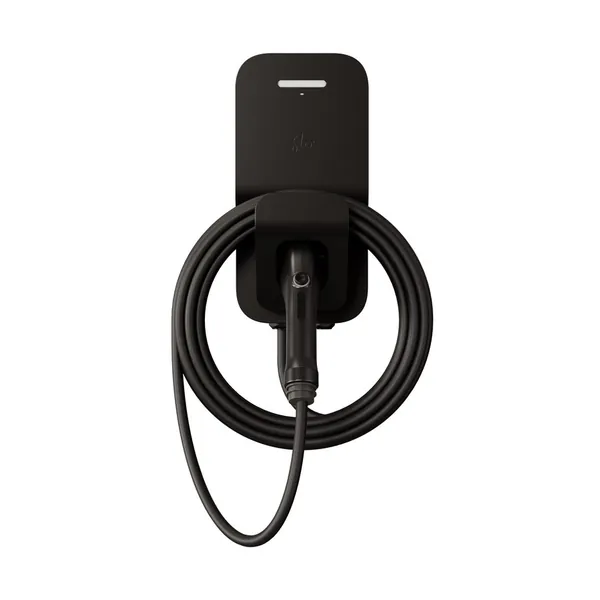
Often it is simpler to approve and install, because the building only owns a dedicated receptacle and you own a removable portable charger. A hardwired unit like FLO Home X3 is permanent. See portable vs hardwired.
What happens to the outlet when I move out?
Whatever your written agreement says. Common options are that the receptacle stays for the next tenant, or that you pay to remove it. Settle this before install.